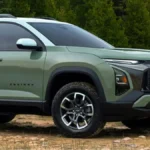
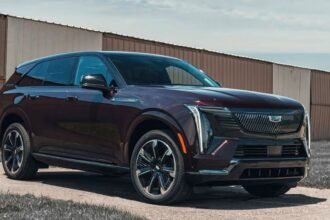
- Ford’s EV Pickup: Aiming for a $30,000 starting price, the new midsize electric pickup will compete with lower-cost Chinese models.
- Focus on Affordability: With rising EV prices, Ford is prioritizing cost-efficiency to attract budget-conscious consumers.
- Battery Technology: Ford uses lithium-iron-phosphate batteries to reduce costs and improve the affordability of its upcoming EV models.
Ford’s Bold Move to Build an Affordable EV Pickup
Ford is gearing up to introduce a new family of affordable electric vehicles (EVs) by 2027, including a highly anticipated midsize EV pickup truck. The new model is expected to start at a competitive $30,000, a price point that puts it in direct competition with Chinese rivals such as BYD, known for offering low-cost EVs. Ford’s bold step aims to position the company as a major player in the fast-growing EV market, focusing on cost-efficiency to attract budget-conscious consumers.
Meeting the Challenge of Chinese Competition
Chinese automakers, like BYD, have revolutionized the electric vehicle landscape by streamlining their production processes. This efficiency allows them to produce high-quality EVs at significantly lower prices, with some models retailing for as low as $10,000 to $25,000. While these vehicles haven’t yet entered the U.S. market, Ford CEO Jim Farley emphasized that the Chinese success has set a new benchmark that Western automakers must meet to stay competitive.
As part of its plan to rival these lower-cost offerings, Ford is investing nearly $2 billion to expand its Louisville, Kentucky plant. This facility, which currently produces the Escape and Lincoln Corsair, will become the manufacturing hub for the new electric pickup. Ford is not only aiming to reduce costs but also create jobs, with at least 2,200 positions being retained at the plant.
What to Expect from Ford’s New Electric Pickup
The new Ford EV pickup will be a midsize, four-door model designed to offer both utility and affordability. While details are still emerging, the truck will likely feature a design focused on providing a balanced mix of performance and practicality.

By leveraging its extensive experience in truck manufacturing, Ford aims to offer consumers an affordable alternative to other electric pickups like the Tesla Cybertruck and Rivian’s R1T, which are priced in the $40,000 to $50,000 range.
The Role of Ford’s ‘Skunkworks’ Team in EV Development
Ford’s skunkworks team, composed of experts with experience from Tesla and Rivian, is spearheading the development of these affordable EVs. Led by former Tesla executive Alan Clarke, this team operates with a level of independence that allows it to innovate outside of the traditional Ford structure. This approach ensures that the team can focus on efficiency and cost reduction while still maintaining Ford’s core standards of quality and performance.
Why Affordability is Key for EV Adoption
Affordability remains one of the top concerns among consumers when it comes to EVs. A report from J.D. Power revealed that the average price of an electric vehicle in the U.S. was about $47,000 in June 2023. However, as Chinese carmakers push to make EVs more affordable, U.S. consumers are increasingly looking for options that are both cost-effective and practical. Ford’s new EV pickup, with a starting price of $30,000, aims to fill this gap, making electric vehicles more accessible to a broader audience.
More Read

Ford’s Approach to EV Battery Technology
To make the new family of affordable EVs a reality, Ford is utilizing lithium iron phosphate (LFP) batteries. These batteries, produced in Marshall, Michigan, are supplied by the Chinese EV battery maker CATL.

The use of LFP technology is crucial in reducing production costs, which, in turn, helps lower the overall price of the vehicle. This strategy aligns with Ford’s goal of achieving profitability within a year of launching the new EVs.
The Road Ahead: Challenges and Opportunities
Ford’s commitment to affordable EVs comes at a time when the global EV market is experiencing intense competition. Rivian, Tesla, and other startups are also developing lower-cost electric models, further raising the stakes. Additionally, the U.S. government’s decision to eliminate a $7,500 consumer tax credit for EV buyers could dampen demand, creating further pressure on automakers to keep prices low while maintaining profitability.
Despite these challenges, Ford’s decision to focus on affordability could give it an edge in the market, especially as consumers seek more budget-friendly EV options. By concentrating on a midsize electric pickup, Ford is positioning itself as a practical choice for drivers looking for an affordable and reliable alternative to traditional gas-powered trucks.