Audi is reshaping the top of its portfolio with a massive new utility vehicle and a strategic pivot in technology. CEO Gernot Döllner confirmed the arrival of the Audi Q9 SUV, a three-row flagship designed to compete with the BMW X7 and Mercedes-Benz GLS, alongside a new efficient entry-level EV, the A2 e-tron.
The announcement outlines a strategic roadmap through 2030, balancing the immediate profitability of the luxury SUV market with a pragmatic push toward advanced electrification aided by American EV maker Rivian.
Defining the Top End: The Audi Q9
The newly announced Q9 is expected to become the company’s new profit driver. Döllner confirmed that the massive SUV will serve as the top of the portfolio, specifically targeting the North American market where large luxury vehicles dominate sales.
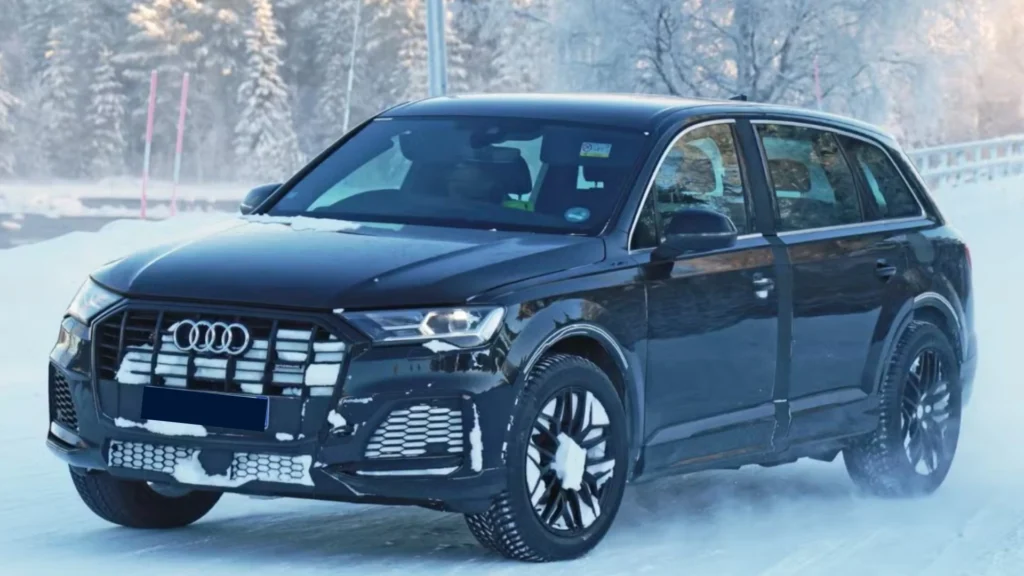
Reportedly sharing a platform with Porsche’s upcoming seven-seat SUV, the Q9 is a critical piece of Audi’s growth strategy.
“The new Audi Q9 strengthens our position in the US and defines the top of our portfolio,” Döllner explained. He also noted the upcoming launch of the A2 e-tron in fall 2026, which he described as a “clear statement on efficiency” and an entry point into electric mobility.
Strategic Shift: The Audi Rivian Partnership
Looking further ahead, Döllner shed light on the highly anticipated Audi Rivian partnership. He confirmed that the first fruit of this collaboration will arrive in 2028.
This future model will be the first Audi built on the new E/E (Electrical/Electronic) architecture developed by “RV Tech,” a joint venture between the Volkswagen Group and Rivian. This allows for a scalable, future-proof electronic infrastructure, addressing previous software hurdles that have plagued European legacy automakers.
“Legacy automakers have struggled to match the software fluidity of Tesla and Rivian. By outsourcing the E/E architecture to Rivian, Audi isn’t admitting defeat; they are strategically leapfrogging the development curve to ensure their 2028 lineup is digitally competitive immediately,” says Marcus Thorne, Senior Analyst at AutoMarket Insights.
Financial Stability and Future Outlook
The brand remains financially robust as it funds these new ventures. The company reported revenue rising to 65.5 billion euros, with an operating profit of 3.4 billion euros.
More Read

Döllner emphasized that for Germany and Europe to remain competitive against the US and China, innovation must become the top priority again. By launching the Q9 to secure high margins and leveraging Rivian technology for future EVs, Audi is positioning itself to regain its technological leadership.