You already know the drill. You need a daily driver that can handle the monotonous morning commute, haul the kids and their endless gear, swallow a weekend’s worth of camping equipment, and somehow sip fuel while doing it all. The compact SUV segment is arguably the most cutthroat battleground in the automotive industry, and for good reason—it’s what the majority of drivers actually buy.
This year, the battle lines are drawn sharper than ever. If you are comparing the 2026 Toyota RAV4 vs 2026 Kia Sportage, you are looking at two titans with vastly different philosophies on what makes a family vehicle exceptional.
Toyota has dropped an absolute bombshell on the segment by shifting the completely redesigned, sixth-generation RAV4 to a hybrid-only lineup. Meanwhile, Kia has doubled down on its mid-cycle refresh for the Sportage, blessing it with a futuristic aesthetic and a panoramic tech suite that feels borrowed from a European luxury sedan.
Which one takes the crown in the ultimate 2026 compact SUV comparison? Let’s break down the exterior styling, interior comfort, hybrid performance, and long-term financial value to see which of these giants truly deserves your hard-earned money.
Design and Exterior: Rugged Evolution vs. Futuristic Flash
When you walk up to a vehicle in a crowded parking lot, its design immediately sets the tone. For 2026, Toyota and Kia are speaking two entirely different visual languages, and your preference will likely be polarized.
The RAV4: Embracing the Truck DNA
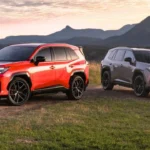
Toyota knows its core audience intimately. The 2026 RAV4 leans heavily into its truck roots with a new “hammerhead” front-end design, giving it a broader, more aggressive, and undeniably planted stance. Depending on what trim flavor you choose, the aesthetic shifts dramatically.
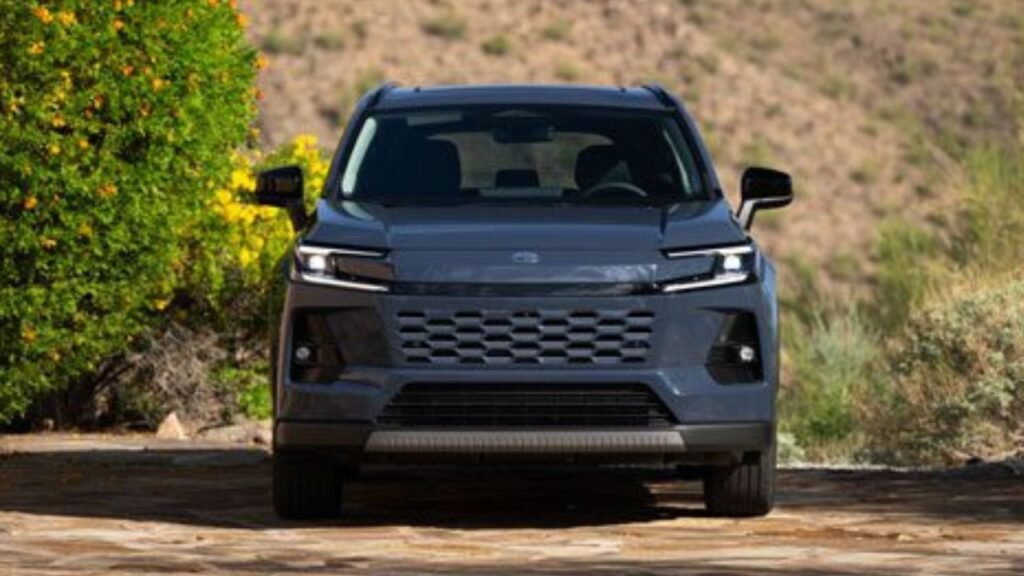
The core trims (like the LE and XLE) feature paint-matched grilles, sleek geometric body panels, and wide overfenders. But if you step up to the Woodland or TRD editions, you get a raised nose, a split grille, integrated Rigid Industries LED lighting, and chunky all-terrain tires that scream “weekend overlander.” Toyota is heavily betting that modern buyers want a vehicle that looks rugged enough to tackle a dirt trail in Moab, even if it spends 90% of its life idling in a Starbucks drive-thru.

The Sportage: Modern and Unapologetic
On the other side of the ring, the 2026 Kia Sportage continues its bold “Opposites United” design philosophy. It is unapologetically modern and sleek. The signature “tiger-nose” grille has evolved into a wider, more imposing piece, flanked by striking “Star Map” LED daytime running lights that give the Sportage a distinct, almost spacecraft-like glow at night.
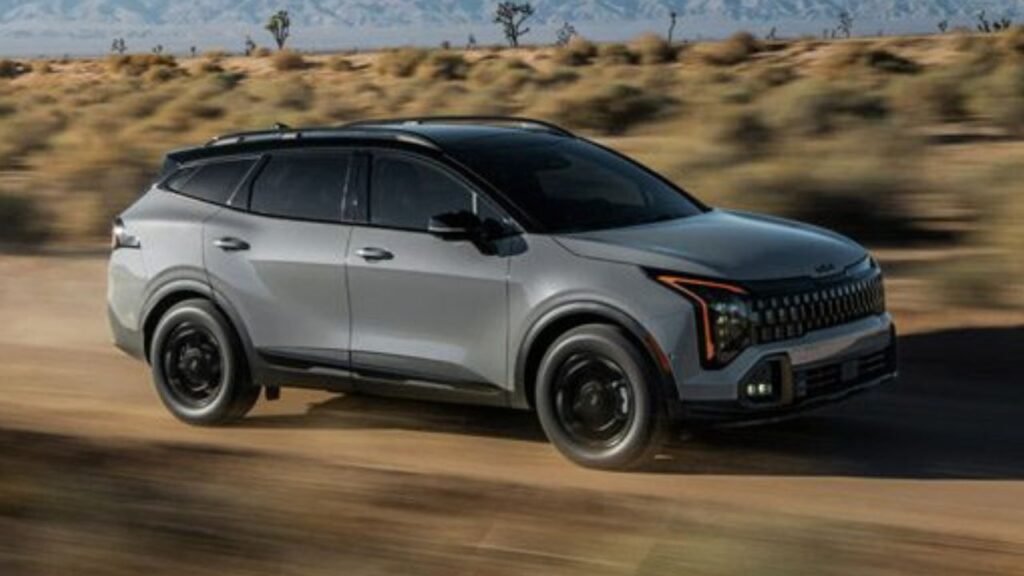
The sculpted lines and aerodynamic profile make the Kia feel less like a “cabin in the woods” and more “downtown metropolis.” It’s an attention-grabber, pure and simple.
“The RAV4’s transition to a miniature-Tacoma aesthetic is a brilliant play for the adventurous demographic, but Kia’s Sportage is currently winning the curb-appeal war for buyers who want an SUV that looks like it belongs in the year 2030.” — Marcus Thorne, Senior Automotive Design Analyst, Global Auto Insights]
Interior and Tech: The Practical Cockpit vs. The Digital Living Room
You spend all of your time inside the car, so the interior experience is where this competition gets fiercely competitive. Both automakers have stepped up their game, but they approach the cabin experience from opposite ends of the spectrum.
Toyota’s Arene OS Revolution
Toyota, traditionally known for somewhat conservative and utilitarian interiors, has finally stepped fully into the modern digital era. The 2026 RAV4 introduces the brand’s new proprietary “Arene” software system. Base models get a highly respectable 10.5-inch touchscreen, but higher trims boast a massive, crystal-clear 12.9-inch display.
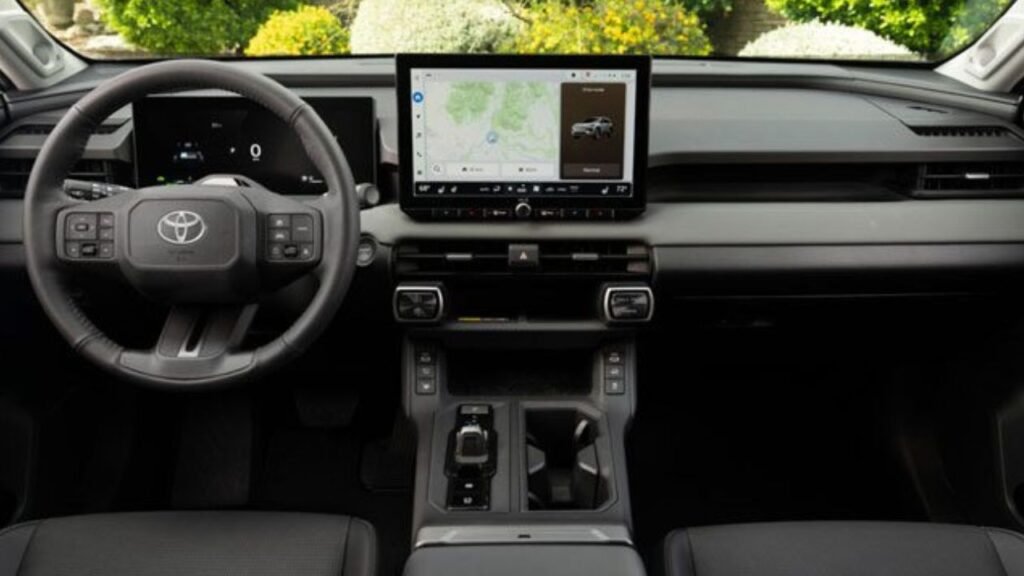
The genius of Toyota’s interior design is restraint. They have smartly retained physical, tactile dials and buttons for crucial functions like climate control and audio volume. It’s a major win for usability when you’re driving at highway speeds and don’t want to dig through three touchscreen sub-menus just to turn down the AC.
Kia’s Panoramic Luxury
Step inside the 2026 Kia Sportage, and you might genuinely think you’ve climbed into a luxury vehicle that costs twenty thousand dollars more. The centerpiece of the dash is a breathtaking dual 12.3-inch panoramic curved display that seamlessly merges the digital instrument cluster and the infotainment system.
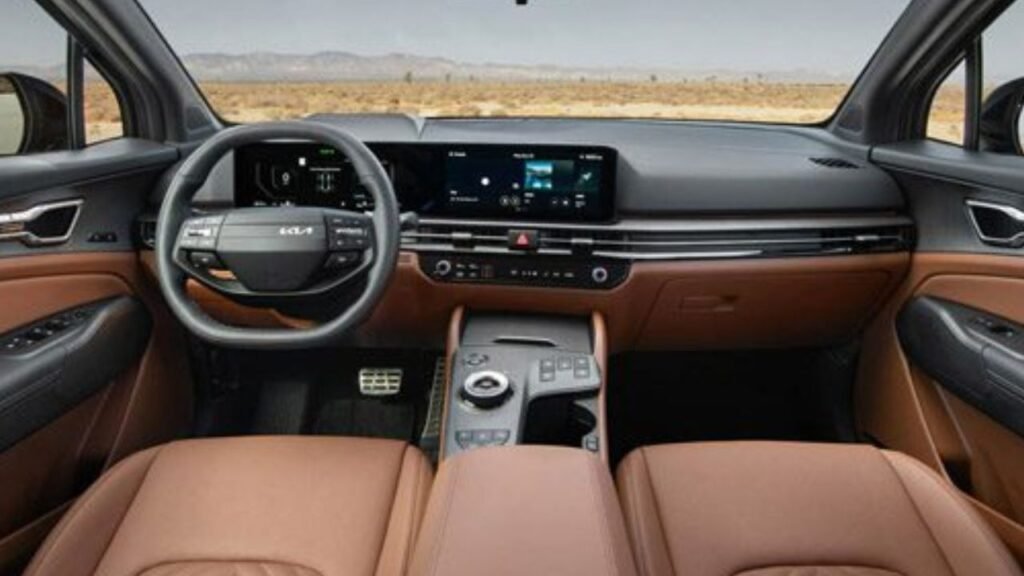
For 2026, Kia upgraded this setup with the Connected Car Navigation Cockpit (ccNC), meaning you get significantly faster processing speeds, over-the-air updates, and much smarter voice recognition. Add in standard wireless Apple CarPlay, Android Auto, and available vegan leather upholstery, and the Sportage feels incredibly premium.
Space and Dimensions
But what about actual, usable space? This is where the Kia flexes its engineering muscles. The Sportage is simply cavernous.
- Rear Legroom: The Sportage offers a sprawling 41.3 inches of rear legroom, while the RAV4 trails behind at 37.8 inches. If you frequently haul growing teenagers or tall adults, the Kia is undeniably more comfortable for long road trips.
- Cargo Capacity: Drop the rear seats, and the Sportage provides up to 74.1 cubic feet of cargo volume, edging out the RAV4’s 70.4 cubic feet.
Under the Hood: The Hybrid Supremacy
Let’s talk power, efficiency, and how these SUVs actually behave when the rubber hits the pavement. The automotive landscape has changed rapidly, and if you are searching for the best hybrid SUV 2026 has to offer, this is the main event.
RAV4: Going All-In on Electrification
Toyota has historically dominated the hybrid space, and for 2026, they’ve made a massive, confident flex: the RAV4 is now hybrid-only. You literally cannot buy a traditional gas-only 2026 RAV4.
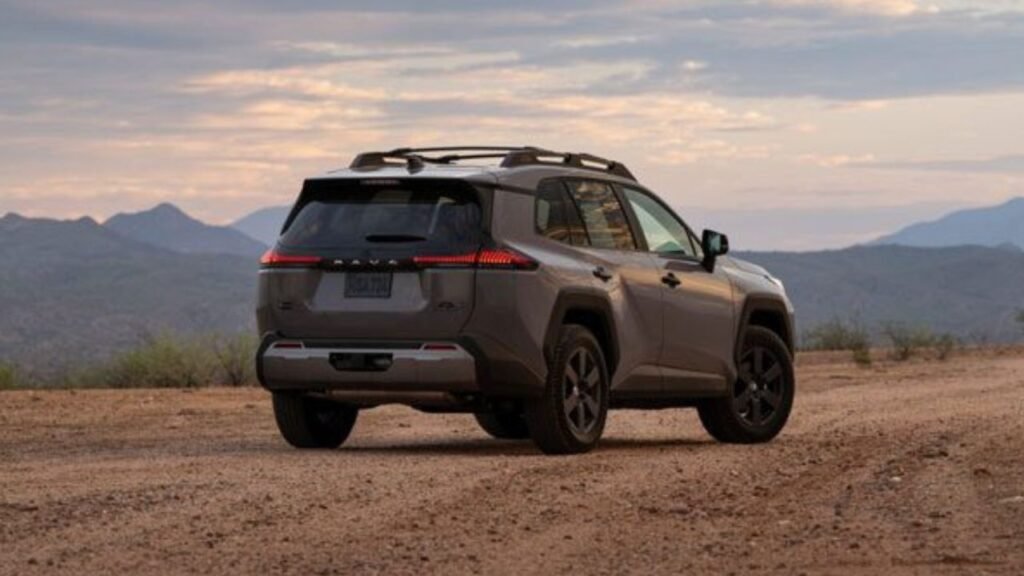
The standard setup pairs a rock-solid 2.5-liter four-cylinder engine with electric motors, pumping out a combined 236 horsepower in its all-wheel-drive (AWD) configurations. The transition between gas and electric power is buttery smooth—a true testament to Toyota’s decades of hybrid refinement. If you want a genuine thrill, the RAV4 PHEV (plug-in hybrid) variant delivers a staggering 320 horsepower, rocketing this humble family hauler to 60 mph with surprising urgency.
Sportage: The Power of Choice
Kia takes a “power of choice” approach. If you are on a strict budget, you can still snag a gas-only Sportage featuring a naturally aspirated 2.5-liter engine making 187 horsepower. It’s adequate for daily duties, but frankly, it lacks excitement.
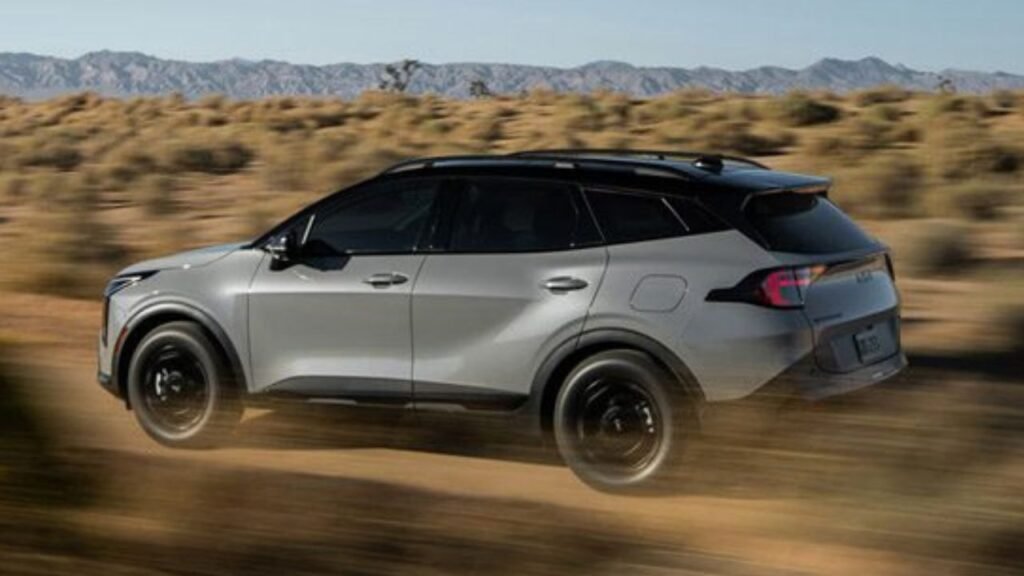
However, the real star of the RAV4 vs Sportage hybrid matchup is the electrified Kia. The Sportage Hybrid utilizes a punchy 1.6-liter turbocharged four-cylinder engine paired with an electric motor, churning out 232 horsepower and a beefy 271 lb-ft of torque. Because Kia uses a traditional six-speed automatic transmission rather than the continuously variable transmission (eCVT) found in the Toyota, the Sportage Hybrid feels peppier, more traditional, and substantially more engaging off the line.
Fuel Economy Comparison
When it comes to the fuel pump, these two are remarkably close, but Toyota edges out a narrow victory. The RAV4 Hybrid consistently hits an estimated 42 to 44 mpg combined, depending on the trim. The Sportage Hybrid is right on its heels, hovering around 38-42 mpg combined based on whether you opt for FWD or AWD. For pure, uncompromising efficiency, the RAV4 remains the reigning champion.
Driving Dynamics: How Do They Actually Feel?
Numbers on a spec sheet are great, but how do these vehicles handle the daily grind of potholes, highway merges, and tight parking garages?
The 2026 Toyota RAV4 feels incredibly solid, planted, and predictably safe. It eats up road imperfections with ease, especially in the rugged trims with meatier tire sidewalls.
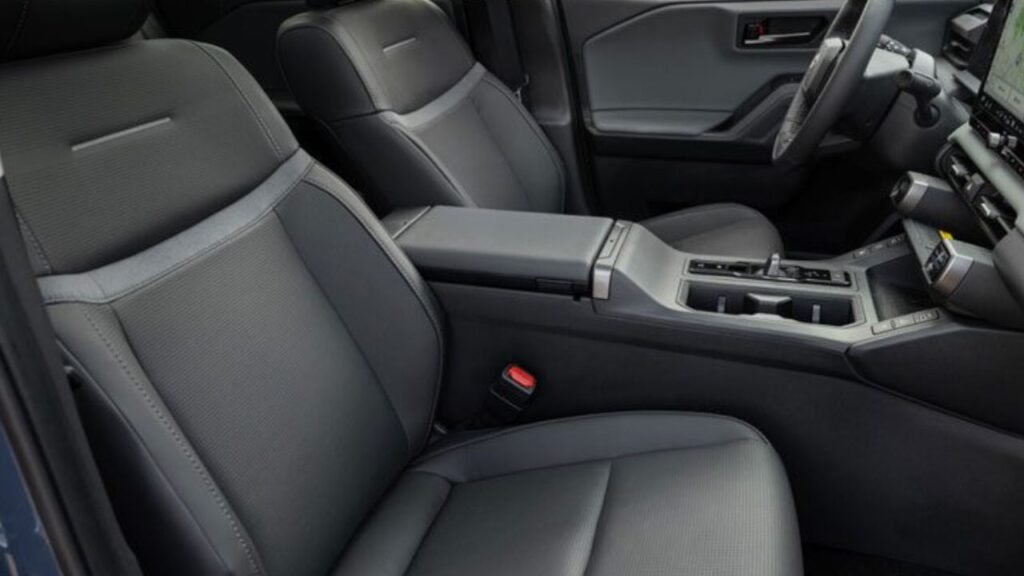
The steering is relatively light—perhaps a bit too numb for driving enthusiasts—but it is absolutely perfect for navigating tight grocery store parking lots with one hand. It doesn’t ask much of the driver, and for millions of buyers, that’s exactly what they want.
The 2026 Kia Sportage, surprisingly, offers a slightly more insulated, library-quiet ride. Thanks to extensive sound-deadening materials and acoustic laminated glass, wind and road noise are kept to an absolute minimum.
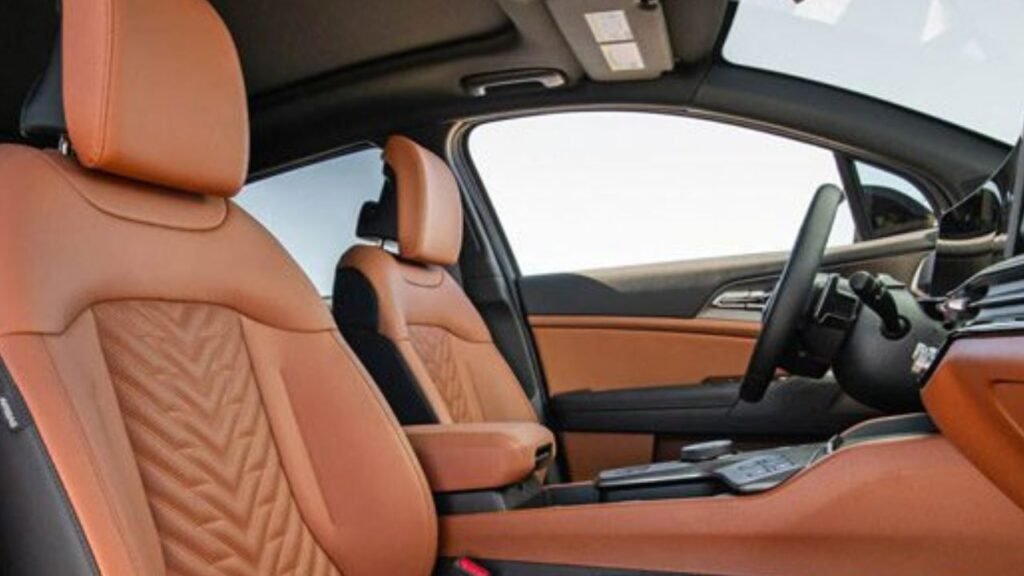
While it isn’t a canyon-carving sports car, the turbo-hybrid setup provides immediate low-end torque that makes highway passing completely effortless. It feels significantly more refined on long, multi-state road trips, whereas the RAV4’s engine can sound just a bit buzzy when you mash the throttle.
Safety and Driver Assistance
In 2026, both automakers treat advanced safety as a mandatory standard feature, not an expensive luxury add-on.
Toyota outfits every single RAV4 with Toyota Safety Sense 4.0. This robust suite includes advanced pre-collision systems with pedestrian detection, adaptive cruise control, lane-tracing assist, and a new emergency driving stop system. It’s an incredibly proactive safety net that inspires immense confidence behind the wheel.
Kia counters with its highly praised Drive Wise suite, featuring Highway Driving Assist 2 (HDA 2) on its upper trims. HDA 2 is, frankly, brilliant; it seamlessly combines adaptive cruise control with active lane-centering and can even execute automated lane changes when you simply tap the turn signal stalk.
“While both vehicles will undoubtedly ace their rigorous crash tests, Kia’s Highway Driving Assist 2 feels a half-step closer to true autonomous driving. It reduces highway commute fatigue significantly better than almost any other system in this price bracket.” — Elena Rostova, Lead Vehicle Testing Engineer, AutoTech Review.
Pricing, Warranty, and Value: The Bottom Line
Here is where the rubber meets the road: your wallet.
Because Toyota boldly eliminated the gas-only engine, the barrier to entry for a 2026 RAV4 is inherently higher. You can expect the base RAV4 LE Hybrid to start at approximately $33,350. That is an excellent value for a standard hybrid AWD powertrain, but it does price out some of the most budget-conscious buyers.
The 2026 Kia Sportage swoops in as the undisputed value king. You can get into a base gas-powered Sportage LX for roughly $28,690. Even if you upgrade to the highly recommended Sportage Hybrid, it often undercuts a comparably equipped RAV4 by a few thousand dollars.
Then there is the warranty—the ultimate tie-breaker for long-term ownership.
- Toyota: Offers a standard 3-year/36,000-mile basic warranty and a 5-year/60,000-mile powertrain warranty.
- Kia: Offers a 5-year/60,000-mile basic warranty and an industry-leading 10-year/100,000-mile powertrain warranty.
If you plan to drive your car into the ground over the next decade, Kia’s warranty provides a massive financial safety net. However, Toyota’s legendary reliability and sky-high resale value mean that buying a RAV4 is virtually a depreciation-proof asset. When you eventually go to sell it, the Toyota badge commands a premium.
Conclusion: Which SUV Belongs in Your Driveway?
The honest truth about the 2026 Toyota RAV4 vs 2026 Kia Sportage rivalry is that there is no objective loser—only a winner that better fits your specific lifestyle.
If your primary priorities are maximum fuel efficiency, proven long-term engine reliability, rugged exterior styling, and holding onto your resale value like it’s gold, the 2026 Toyota RAV4 is your champion. It is a pragmatic, exceptionally well-engineered machine that simply works every single time you push the start button.
On the other hand, if you want a vehicle that offers superior passenger legroom, cavernous cargo space, head-turning modern design, a quieter cabin, and a digital tech interface that rivals luxury cars—all backed by a 10-year powertrain warranty—the 2026 Kia Sportage is the smarter buy.
Ultimately, you need to test drive both. Sit in the back seat. Play with the infotainment screens. Whether you choose the rugged dependability of the RAV4 or the futuristic comfort of the Sportage, the 2026 SUV market proves that everyday drivers are the real winners.