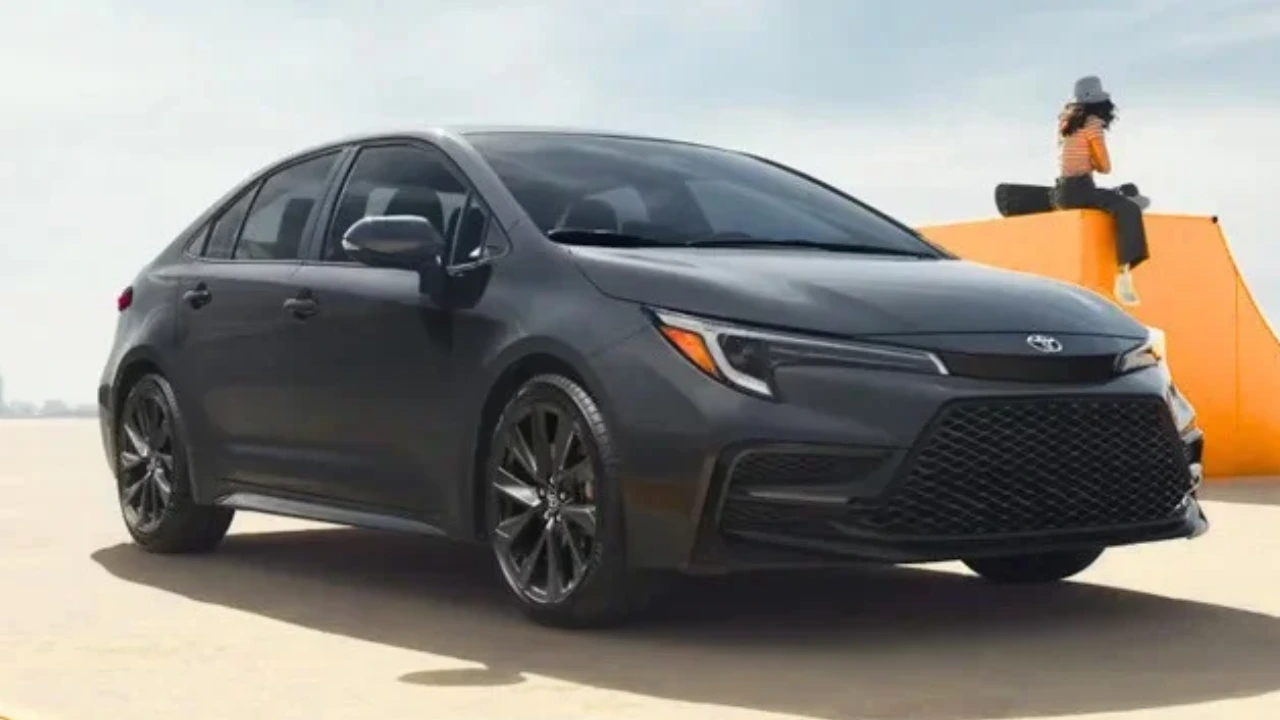


The 2026 Corolla Hybrid LE costs $1,850 more than the gas LE in Toyota’s U.S. listings checked September 30, 2026. For a commuter who spends the drive at traffic lights, that’s a more useful upgrade than the SE trim’s sportier appearance. Start with the Hybrid LE, then make your mileage justify the premium.
Quick answer
The 2026 Corolla Hybrid LE is the strongest starting point for high-mileage city commuters. Choose the gas LE when purchase price matters most or your driving is mainly highway. The SE buys equipment rather than extra horsepower. Choose hybrid AWD for a specific traction need, and budget separately for suitable winter tires.
This is a research-based review of the U.S.-market sedan, not a first-hand road test. Driving observations below belong to named independent testers; fuel-cost comparisons are our calculations.
2026 Corolla LE vs SE: What does the extra money buy?
Toyota’s current Corolla listing, checked September 30, 2026, puts these front-wheel-drive versions at the following base MSRPs. Delivery charges and taxes aren’t included, and a dealer’s actual quote may differ.
| Sedan version | Base MSRP |
|---|---|
| Gas LE | $23,125 |
| Gas SE | $25,565 |
| Hybrid LE | $24,975 |
| Hybrid SE | $27,415 |
The useful comparison crosses trim lines. From those Toyota prices, the Hybrid LE costs $590 less than the gas SE: you can choose the fuel-saving powertrain without spending SE money. That’s where I’d start a commuter’s shortlist.
Toyota’s July 24, 2025, specifications give both gas trims the same 169-horsepower, 2.0-liter engine. Its hybrid announcement specifies a 1.8-liter engine with electric assistance and 138 combined horsepower. Choosing SE doesn’t increase either power figure.
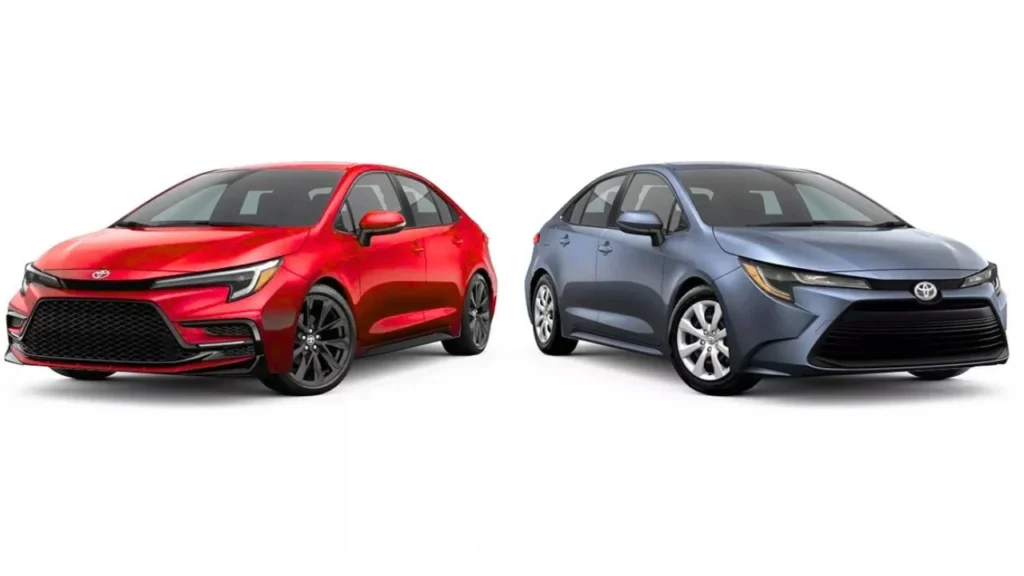
The gas-sedan launch release specifies 16-inch steel wheels for the LE and 18-inch alloys for the SE. The SE also gets sport seats, so you’re paying for equipment rather than additional engine output.
Don’t decide from photographs. Drive each trim over the broken pavement you normally encounter, then price replacement tires for the exact car you’re considering. The SE only earns its premium when its equipment matters to you after the showroom visit.
What changed for 2026?
Toyota’s July 24, 2025, announcement made blind-spot monitoring and rear cross-traffic alert standard across the gas sedan lineup. It also specified a standard 7-inch digital instrument display for LE and SE models.
That takes away a reason to move up a trim just for those features. Rear cross-traffic alert can warn you about approaching traffic while reversing, but you still need to look and brake.
2026 Toyota Corolla Hybrid MPG: Which trim gets the best rating?
The EPA’s 2026 Corolla listings, checked September 30, 2026, separate the hybrid by trim and drivetrain. Treat the advertised maximum as a specification for particular versions, not the whole hybrid lineup.
| Hybrid version | City MPG | Highway MPG | Combined MPG |
|---|---|---|---|
| LE or XLE, front-wheel drive | 53 | 46 | 50 |
| LE AWD | 51 | 44 | 48 |
| SE, front-wheel drive | 50 | 43 | 47 |
| SE AWD | 47 | 41 | 44 |
The distinction matters at the dealership. A listing headed “Corolla Hybrid” doesn’t tell you which economy rating applies; check the trim and drivetrain on the window sticker.
Why does the hybrid favor city driving?
The U.S. Department of Energy’s Alternative Fuels Data Center explains the mechanism in its undated hybrid guide, checked September 30, 2026. Regenerative braking converts some of the car’s motion into electricity for the battery, and electric assistance reduces the engine’s workload.
Repeated slowing gives the system opportunities to recover energy that conventional brakes would turn into heat. On a steady highway trip, there are fewer such opportunities, so the size of the advantage changes with your route. The Corolla Hybrid doesn’t need a charging socket.
2026 Corolla gas vs hybrid: When do fuel savings repay the premium?
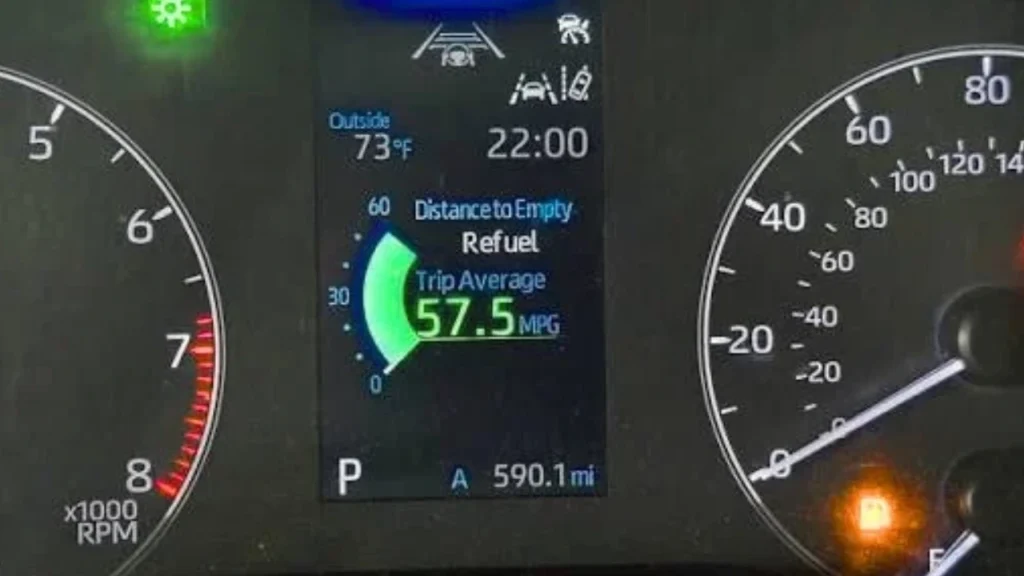
Our September 30, 2026, calculation uses Toyota’s current LE price difference and EPA combined ratings of 35 MPG for the gas LE and 50 MPG for the Hybrid LE. Assume 12,000 miles annually and gasoline at $3.50 per gallon; those are scenario inputs, not a claim about your mileage or today’s local fuel price.
Divide annual miles by MPG, then multiply by the fuel price. In that scenario, the gas LE uses $1,200 of fuel a year and the Hybrid LE uses $840. The $360 annual saving repays the $1,850 premium in about 5.1 years.
Your route can overturn that result. Applying the EPA city ratings checked on the same date to those assumptions produces roughly $520 in annual savings and a 3.6-year payback; applying the highway ratings produces roughly $111 and 16.6 years. These are separate city-only and highway-only illustrations, not forecasts for an individual driver.
So a long commute doesn’t automatically make the hybrid the better financial choice. You need enough fuel savings during the time you’ll own it, and a discounted gas LE can change the comparison again.
This is fuel-only payback. It excludes financing and resale value; insurance and tax differences also belong in a complete ownership budget. Recalculate with actual purchase quotes before you commit.
Does the 2026 Corolla Hybrid AWD solve winter driving?
Toyota’s July 24, 2025, hybrid announcement offers AWD on the LE and SE. A separate rear electric motor supplies rear-wheel drive when the control system calls for it, including during starts before front-wheel slip develops.
That can help you pull away on a slippery incline. It doesn’t turn tire grip into an unlimited resource, and I wouldn’t spend on AWD at the expense of appropriate tires.
Beverly Braga’s February 17, 2026, J.D. Power review provides a useful reality check. During her December Michigan test, the Hybrid SE AWD wore all-season tires, and she reported serious traction problems on uncleared surfaces. AWD hadn’t solved the tire problem.
Braga also recorded 34.4 MPG over 120 miles in winter conditions. That’s one short, weather-affected test, not the model’s typical year-round economy. The EPA/DOE cold-weather explainer, checked September 30, 2026, identifies slower engine warm-up and reduced battery performance as reasons efficiency suffers.
What do road tests reveal that the specification sheet misses?
Amos Kwon’s June 22, 2026, Autoblog review found the Hybrid SE AWD responsive when leaving traffic lights but less convincing during highway acceleration. His account describes limited mid-range response and engine drone under load.
A short demonstration drive can make the hybrid seem eager because it leaves a stoplight promptly, but that impression deserves another look when you join a fast highway with your usual passengers aboard and need the car to keep accelerating after the easy part is over. Test that part.
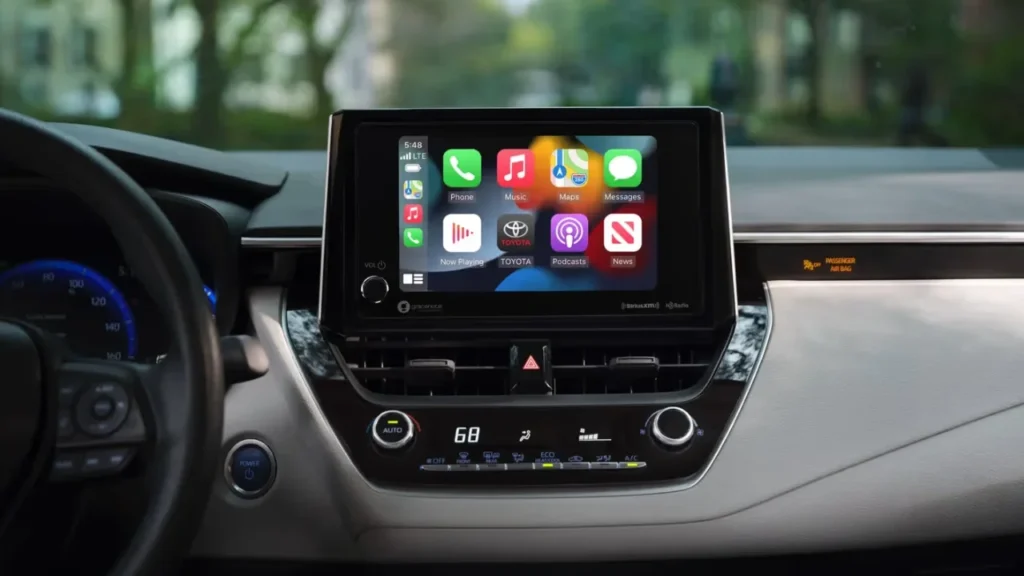
Kwon also noticed a small cabin trade-off: the larger touchscreen replaced the easier-to-use audio knobs with buttons. Before you pay for a screen upgrade, adjust the volume from your normal seating position and check whether the controls suit you. Bigger isn’t automatically easier.
Braga, in her February 2026 review, found that moving her seat closer to the steering wheel made the touchscreen’s angle less convenient. It’s a specific reason to set the seat properly before assessing the dashboard.
Check the back seat just as carefully. Put your own child seat or regular adult passenger behind your driving position; a front-seat demonstration won’t answer that question. When the sedan fails your space test, our Toyota SUV size comparison is a starting point for a different shortlist.
What does the hybrid battery warranty actually promise?
Toyota’s battery-warranty page, checked September 30, 2026, specifies 10 years or 150,000 miles of limited hybrid-battery coverage, whichever comes first. Its July 24, 2025, Corolla Hybrid release separately specifies eight years or 100,000 miles for covered hybrid components.
Those are coverage limits, not a battery replacement schedule. Read the applicable warranty guide for exclusions, and don’t mistake warranty length for proof of this model year’s long-term failure rate.
Frequently asked questions about the 2026 Corolla
Is the 2026 Corolla Hybrid worth the extra money?
It depends on your route and purchase quote. Our September 30, 2026, calculation puts fuel-only payback at about 5.1 years with 12,000 annual miles, $3.50 gasoline and EPA combined ratings. City-heavy use shortens that illustration; highway-heavy use lengthens it. Financing and resale value aren’t included.
Which 2026 Corolla Hybrid gets the best MPG?
The front-wheel-drive Hybrid LE and XLE lead the U.S. sedan lineup. EPA listings checked September 30, 2026, rate them at 53 MPG city and 46 highway, with 50 combined. The SE and AWD versions have different ratings, so confirm the exact trim before comparing fuel costs.
What’s the difference between the 2026 Corolla LE and SE?
Toyota’s July 24, 2025, gas-sedan announcement gives LE and SE the same engine output. The SE changes the wheel package and seating rather than adding horsepower. Choose it for equipment you’ll use, and test both versions on your usual roads before deciding whether the upgrade earns its cost.
Does the 2026 Corolla Hybrid come with AWD?
Yes. Toyota’s July 24, 2025, U.S. announcement offers electronic on-demand AWD on Hybrid LE and SE models; the Hybrid XLE is front-wheel drive. A rear electric motor supplies additional traction when needed. Choose it for a recurring traction problem, and assess tires separately rather than treating AWD as a complete winter solution.
Check what the dealer adds to the hybrid’s price
Ask for itemized gas LE and Hybrid LE quotes with equivalent optional equipment. Use our car-buying guide to prices and financing before you compare finance offers.
Before you sign for a 2026 Corolla, put every hybrid-only add-on into the calculation. Under our September 30 scenario, an extra $1,000 charged only on the hybrid adds about 2.8 years to fuel-only payback. That protection package needs to earn its place on the invoice.