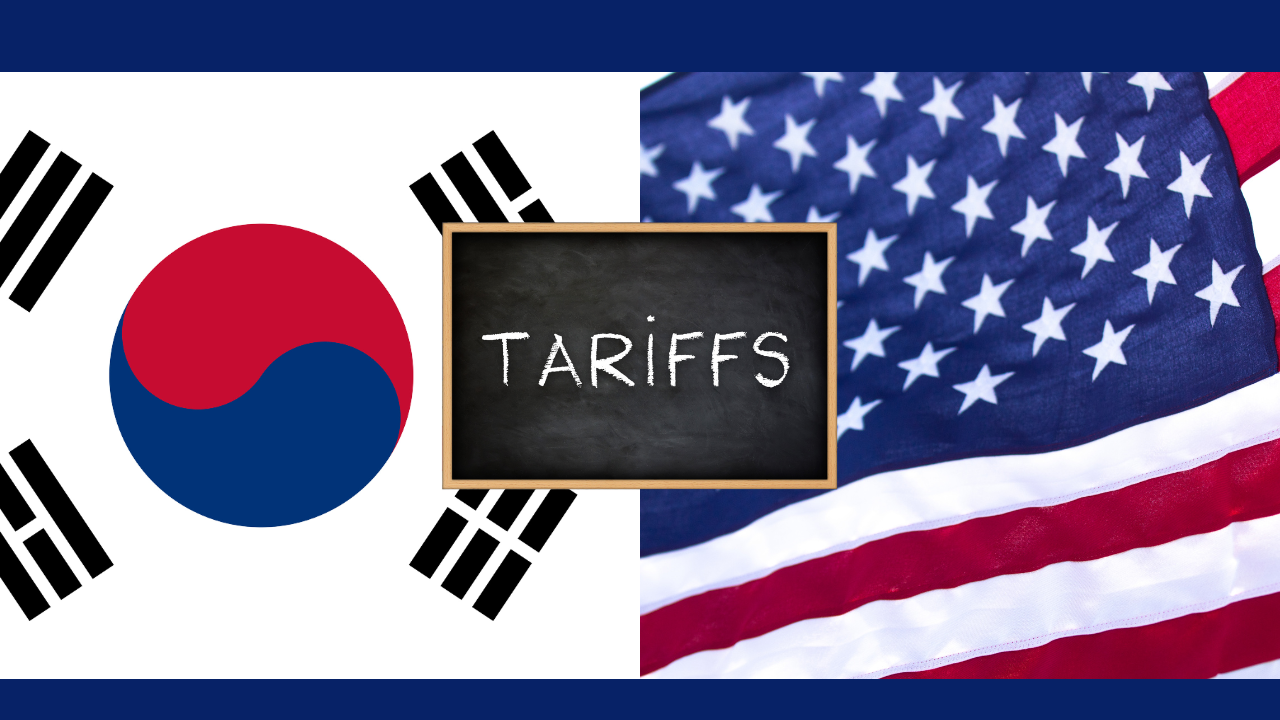


- U.S. Auto Tariffs 15% replaces threatened 25% rate, benefiting Hyundai, Kia, and Chevrolet’s Korean-made models
- $350B South Korean investment in U.S. semiconductor, energy, and shipbuilding industries
- Deal matches EU/Japan terms, creating consistent import rules for global automakers
The United States and South Korea reached a trade agreement late Wednesday, setting auto tariffs at 15%. This deal avoids the 25% rate President Trump threatened if negotiations failed. The agreement aligns with recent United States trade deals with the EU and Japan, stabilizing tariffs for Korean automakers like Hyundai and Kia. Here’s what this means for the auto industry and consumers.
Key Details of the U.S.-South Korea Trade Deal
The new 15% tariff applies to South Korean cars and auto parts imported to the U.S. This replaces the previous 25% tariff on most foreign automotive industry. The deal exempts some models. It covers popular cars like the Hyundai Tucson, Kia Telluride, and Chevrolet’s Korean Trailblazer.
South Korea promised $350 billion in U.S. investments. They will focus on semiconductors, energy, and shipbuilding. The agreement avoids changes to existing steel and aluminum tariffs.
Impact on Korean Automakers
Hyundai, Kia, and Genesis face lower tariffs than initially feared. The 15% rate matches what Japanese and European automakers pay under recent U.S. trade deals. This consistency helps Korean brands remain competitive in the U.S. market.
Trump’s Tax Bill Could Boost Chinese EV Makers, According to Industry Leader
Polestar, which plans to import the Polestar 4 from South Korea, also benefits. The reduced tariff could lower prices for consumers, though automakers may absorb some costs to maintain market share.
How the Deal Affects U.S. Auto Buyers
If automakers pass savings to consumers, prices for Korean-made vehicles could drop slightly. However, industry analysts expect most brands to prioritize profit margins over price cuts.
More Read

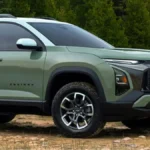
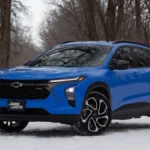
The Chevrolet Trax and Trailblazer, both imported from South Korea, may see stable pricing. Buyers of these models won’t face the 25% tariff initially proposed.
Broader Economic Implications
The $350 billion South Korean investment in U.S. industries could create jobs in technology and manufacturing. The $100 billion liquefied natural gas purchase strengthens energy trade ties.

Steel and aluminum tariffs remain unchanged, which may keep costs high for United States automakers relying on imported materials.
Comparison to Other U.S. Trade Deals
The 15% auto tariff mirrors agreements with the EU and Japan, suggesting a standardized approach. This consistency makes it easier for global car makers to follow the rules.
South Korea’s deal has clear investment goals. This shows deeper economic cooperation than the EU deal.
What’s Next for U.S.-South Korea Trade Relations
South Korean President Lee Jae Myung will visit the White House soon to finalize details. Future talks may address non-tariff barriers, such as safety standards or emissions rules.
The deal’s long-term success depends on how smoothly both nations implement investment and trade terms.
Trump Strikes Tariff Deal With Japan: Auto Stocks Surge as Trade Tensions Ease
The U.S.-South Korea trade deal sets auto tariffs at 15%, providing stability for Hyundai, Kia, and other importers. Consumers may see minor price adjustments, while broader investments could boost U.S. manufacturing. Watch for updates as leaders finalize the agreement in coming weeks and automotive industry .