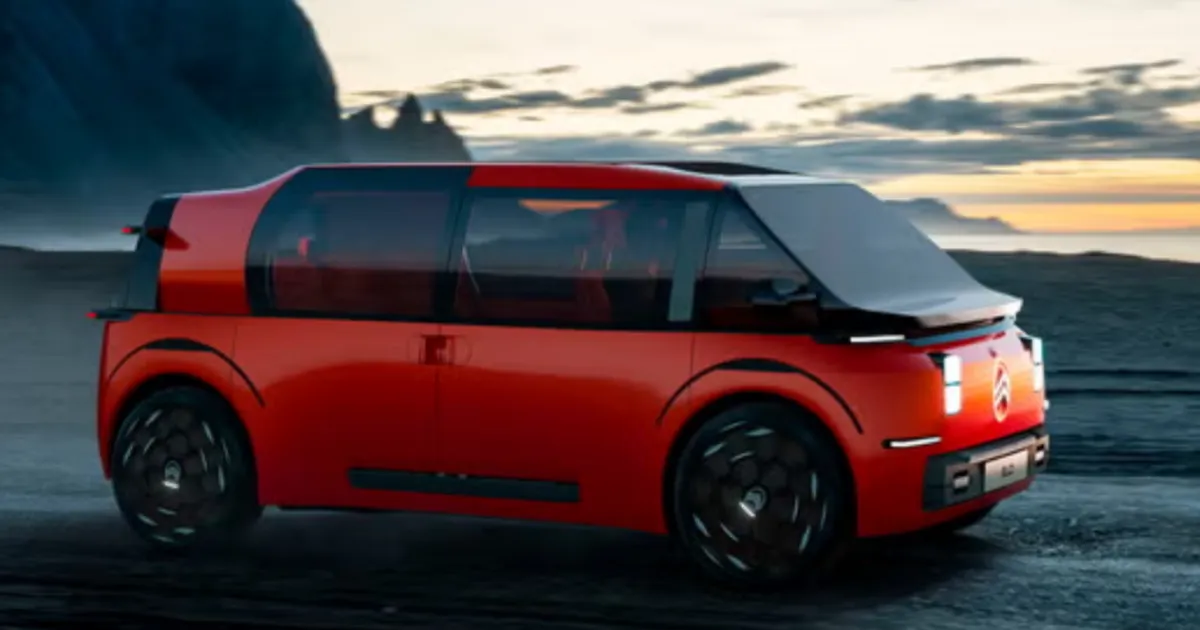


- The Citroën ELO is an electric concept vehicle featuring a unique central driving position and modular interior accommodating 4-6 passengers or sleeping arrangements for two people.
- Advanced modularity and V2L (Vehicle-to-Load) technology transform this compact minivan into a mobile workspace, entertainment hub, or power supply for external devices.
- The design prioritizes function over aesthetics, with expansive glass surfaces and semi-circular rear doors optimizing natural light and interior usability in a tiny house-on-wheels format.
Understanding the Citroën ELO: Innovation Meets Practicality
The automotive industry continues to witness bold reinventions of traditional vehicle categories, and the latest evidence comes from the French automaker Citroën with its groundbreaking ELO concept. This ultra-compact electric minivan represents far more than just another concept vehicle; it embodies a distinct philosophy about how compact vans should adapt to contemporary living and working demands. The Citroën ELO stands as a “laboratory of ideas,” where innovation, functionality, and creative thinking converge to reshape perceptions about what a modern family vehicle can accomplish.
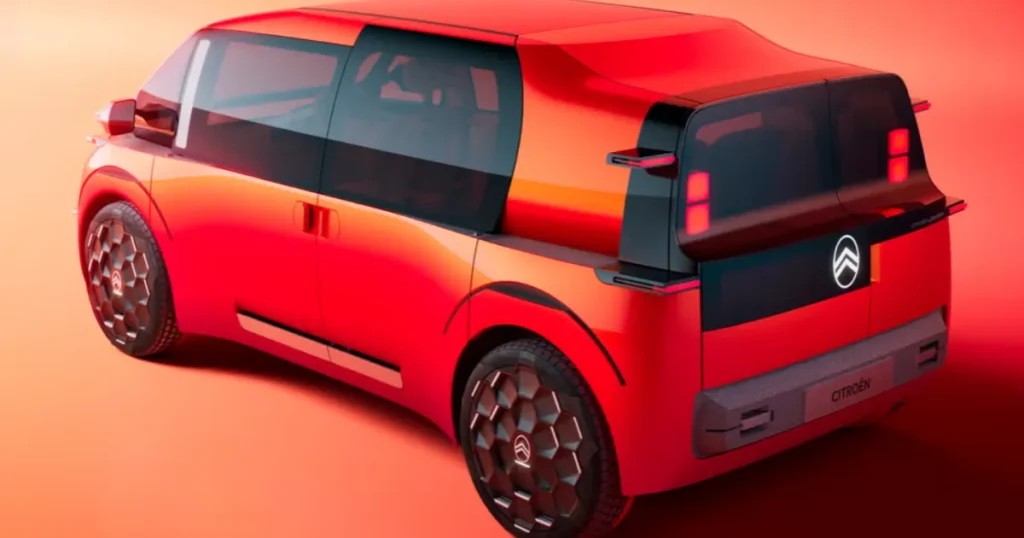
Measuring just 4.10 meters in length, this electric compact minivan defies conventional design logic by offering an exceptionally spacious interior that contradicts its diminutive exterior footprint. The nomenclature itself reflects the vehicle’s core purpose: ELO derives from the second letters of REST, PLAY, and WORK capturing the multifunctional philosophy embedded throughout the design. Unlike many automotive concepts that remain purely theoretical exercises, the Citroën ELO communicates genuine aspirations about the future evolution of Citroën’s vehicle lineup and the broader transformation of urban transportation solutions.
Revolutionary Design: Breaking Traditional Minivan Conventions
The aesthetic presentation of the Citroën ELO immediately captures attention through its unconventional architectural approach. The exterior design rejects minimalist conventions favored by contemporary automakers, instead embracing bold, colorful proportions that announce this vehicle’s purposeful departure from mainstream design philosophy. The minivan’s distinctive silhouette reflects deliberate prioritization of functional elements over decorative aesthetics—an approach that European automotive designers increasingly advocate for in the compact vehicle segment.
Perhaps the most striking design feature involves the semi-circular rear doors that extend fully to the roofline, creating an engineering solution that serves multiple purposes simultaneously. This architectural choice maximizes natural light penetration into the interior cabin, addressing a persistent challenge in compact vehicle designs where spatial constraints typically limit window integration. The expansive glass surfaces, totaling approximately 4.5 square meters, transform the interior into a luminous environment that contradicts typical perceptions about cramped minivan cabins.
The Citroën ELO adopts an electric platform specifically engineered to maximize interior volume—a fundamental advantage that distinguishes electric architectures from traditional combustion engine designs. By positioning the electric motor exclusively on the rear axle, designers liberated considerable interior space that would otherwise accommodate engine components, transmission systems, and fuel tanks inherent to conventional powertrains. This strategic engineering decision proves instrumental in delivering unexpected spaciousness within the constrained exterior dimensions.
The Innovative Central Driver’s Position: Inspired Excellence
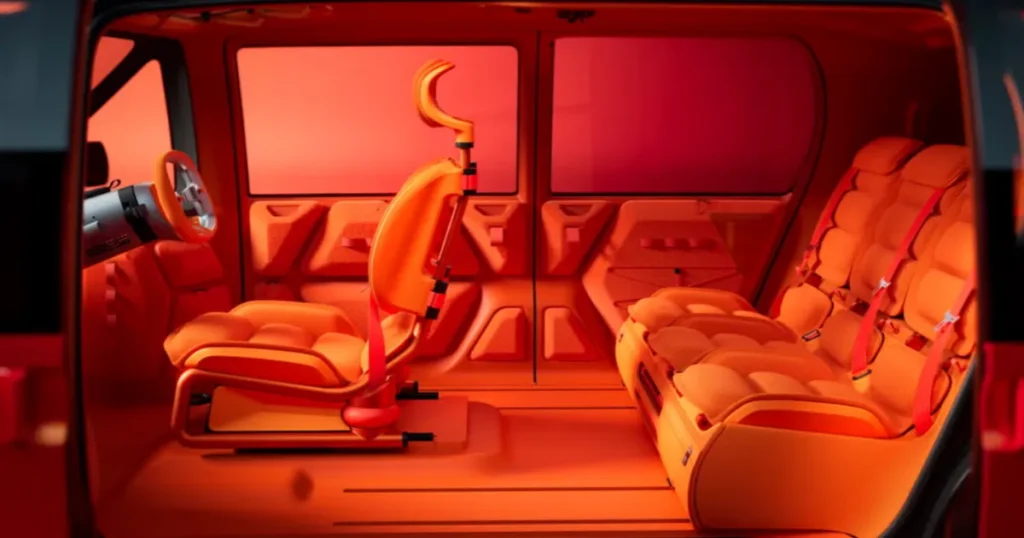
One particularly distinctive element separating the Citroën ELO from conventional compact minivan designs involves the centrally positioned driver’s seat—a configuration that echoes McLaren’s celebrated hypercar approach but adapts this premium sports car concept for accessible family transportation. This central seating arrangement provides the operator with a commanding 180-degree windscreen perspective, fundamentally altering the driving experience compared to traditional side-mounted driver positions prevalent in contemporary vehicles.
The engineering brilliance extends further through the rotating functionality built into the driver’s seat mechanism. With a complete 360-degree rotation capability, the operator can pivot the driving position to face rearward passengers, effectively transforming the forward-facing driving configuration into a conversation space or mobile workspace. This adaptability directly addresses how contemporary professionals and families increasingly blur boundaries between working environments, leisure activities, and transportation needs.
More Read

The elevated roofline, measuring 1.70 meters in height, complements the central seating strategy by enabling unrestricted movement throughout the cabin interior. Combined with the forward-positioned steering column, this architectural arrangement maximizes usable interior volume while maintaining ergonomic comfort for occupants of various heights. The integration of these design elements demonstrates how thoughtful engineering can fundamentally expand functional capacity within space-constrained environments.
Modular Interior: Adaptability for Modern Lifestyles
The Citroën ELO’s most compelling characteristic emerges through its exceptional modularity—a design philosophy that acknowledges contemporary consumers increasingly demand vehicles capable of supporting multiple lifestyle configurations rather than serving singular transportation purposes. The interior arrangement accommodates either four or six passengers depending on specific requirements, with two removable passenger seats positioned behind the central driver’s position and a full three-person bench occupying the rear section.
When not operating in traditional passenger-transport mode, the electric compact minivan transforms into alternative configurations addressing diverse needs. The sleeper capability accommodates two individuals comfortably, addressing the growing market segment interested in adventure camping and mobile recreational activities. The interior also functions as a home cinema space where the rotating driver’s seat enables the entire cabin to convert into an entertainment lounge. Perhaps most innovatively, this Citroën concept vehicle serves as a functioning power supply through Vehicle-to-Load (V2L) technology—a feature increasingly prevalent in advanced electric vehicle designs.
The V2L capability transforms the Citroën ELO into a mobile power station capable of supplying electricity to external devices and equipment. During recreational activities, users can power electric grills, speakers, or other modern devices directly from the vehicle’s battery system. Additionally, an underfloor compressor system enables users to inflate swimming accessories, bicycle tires, or sporting equipment—addressing practical needs that capture the spirit of modern adventure-oriented travel.
Compact Dimensions, Unexpected Spaciousness: The Tiny House Philosophy
The architecture of the Citroën ELO represents a conceptual counter-argument to prevailing automotive industry trends favoring ever-expanding vehicle dimensions. Where manufacturers consistently introduce larger sport utility vehicles and expanded minivans to accommodate additional features, Citroën consciously pursued restrictive exterior proportions while maximizing interior utility. This philosophy directly addresses urban congestion challenges and environmental concerns associated with larger vehicle footprints.
The 4.10-meter length positions the Citroën ELO as a genuinely compact solution suitable for dense urban environments where parking availability and maneuverability present ongoing challenges. Yet the interior volume defies expectations established by exterior measurements—a spatial paradox made possible through meticulous engineering optimization. The electric platform architecture proved instrumental to achieving this remarkable volume-to-dimension ratio that distinguishes this concept vehicle from traditional minivan designs relying on combustion engines.
This “tiny house on wheels” concept attracts particular interest from professionals working remotely, adventure enthusiasts, and families seeking mobile versatility without sacrificing urban navigability. The compact profile permits effortless navigation through congested metropolitan streets and residential neighborhoods where oversized vehicles present practical complications. Simultaneously, the generously appointed interior accommodates extended stays, mobile workspaces, and recreational activities typically associated with significantly larger vehicles.
Electric Architecture: Powering Next-Generation Mobility
The Citroën ELO operates through a 100% electric powertrain specifically developed to optimize interior volume while reducing environmental impact. The vehicle incorporates a liquid-cooled 6.8 kWh lithium-ion battery pack with the electric motor positioned exclusively on the rear axle. While Citroën has withheld specific performance specifications and range estimates from public disclosure, this electric architecture represents the manufacturer’s commitment to sustainable urban transportation solutions.
The electric platform distinguishes itself through engineering decisions specifically targeting the compact vehicle segment. The rear-axle motor positioning eliminates traditional driveline components that consume substantial interior space in conventional vehicles, creating the foundation for the exceptional interior volume. This architectural advantage particularly benefits compact vehicle designs where every centimeter of interior space proves critical for maintaining functional utility.
The V2L technology integration demonstrates how modern electric vehicles transcend traditional transportation roles to serve broader energy management purposes. This bidirectional power capability transforms the Citroën ELO into a mobile energy resource, supporting contemporary demands for flexible power availability during outdoor recreational activities, emergency situations, or extended mobile living scenarios.
Why the Citroën ELO Matters: Concept into Future Possibility
The automotive industry recognizes that concept vehicles serve multiple strategic purposes beyond generating media attention. The Citroën ELO functions as a “laboratory of ideas” where designers, engineers, and marketers collaboratively explore how future production models might incorporate innovative features addressing real consumer demands. The central driver’s position, modular interior architecture, and optimized electric platform represent design elements potentially influencing Citroën’s upcoming subcompact vehicle development expected around 2028.
The concept vehicle demonstrates how European manufacturers continue investing in distinctive design philosophies that challenge American-dominated perceptions about minivan practicality. While traditional minivans emphasize maximum passenger capacity and cargo volume, the Citroën ELO prioritizes adaptability, livability, and functional versatility—attributes reflecting how contemporary consumers increasingly define vehicle value beyond simple transportation capacity.
Citroën’s leadership explicitly communicated this vehicle’s strategic significance. CEO Xavier Chardon characterized the ELO as “a powerful message that carries our vision of what Citroën should be,” while Design Director Pierre Leclercq described the concept as “a burst of energy” emphasizing efficiency principles. These statements confirm that the Citroën ELO extends beyond speculative design exercise to represent genuine aspirations shaping the brand’s product strategy evolution.
Future Implications: The Evolution of Urban Mobility
Although the Citroën ELO will not enter production in its current form, automotive observers anticipate significant design elements influencing future production models within the Citroën lineup. The centralized driver position, modular interior systems, and electric platform optimization establish templates for addressing evolving consumer expectations surrounding vehicle adaptability and sustainable transportation solutions.
The concept vehicle’s debut at the Brussels Motor Show in January 2026 will provide opportunities for public reaction assessment and design refinement feedback. Consumer response to unconventional design approaches, particularly the central driving position and bold aesthetic presentation, may inform decisions about integrating these innovative features into future Citroën models destined for production and market distribution.
The Citroën ELO ultimately represents a crucial statement about automotive innovation philosophy: that exploring radical design departures from established conventions can yield solutions addressing contemporary mobility challenges. Whether specific design elements eventually transition into production vehicles remains uncertain, but the concept’s existence ensures that Citroën remains positioned at the forefront of creative automotive thinking, challenging industry assumptions about how modern vehicles should accommodate evolving lifestyle demands and sustainability imperatives.