

- Rimac-developed solid-state batteries will offer 30% more energy density and 66 pounds less weight, revolutionizing Bugatti’s future supercars.
- E-axles, combining motor, gearbox, and control systems, are making Bugatti’s future electric hypercars lighter and more powerful.
- Nurdin Pitarevic of Rimac Technology hints at the new technologies debuting in Bugatti models by 2030, with the potential for widespread adoption in the coming years.
- Bugatti’s electrification plans, driven by Rimac’s cutting-edge technology, will push the boundaries of performance while reducing weight and improving efficiency.
Bugatti’s Electrifying Future
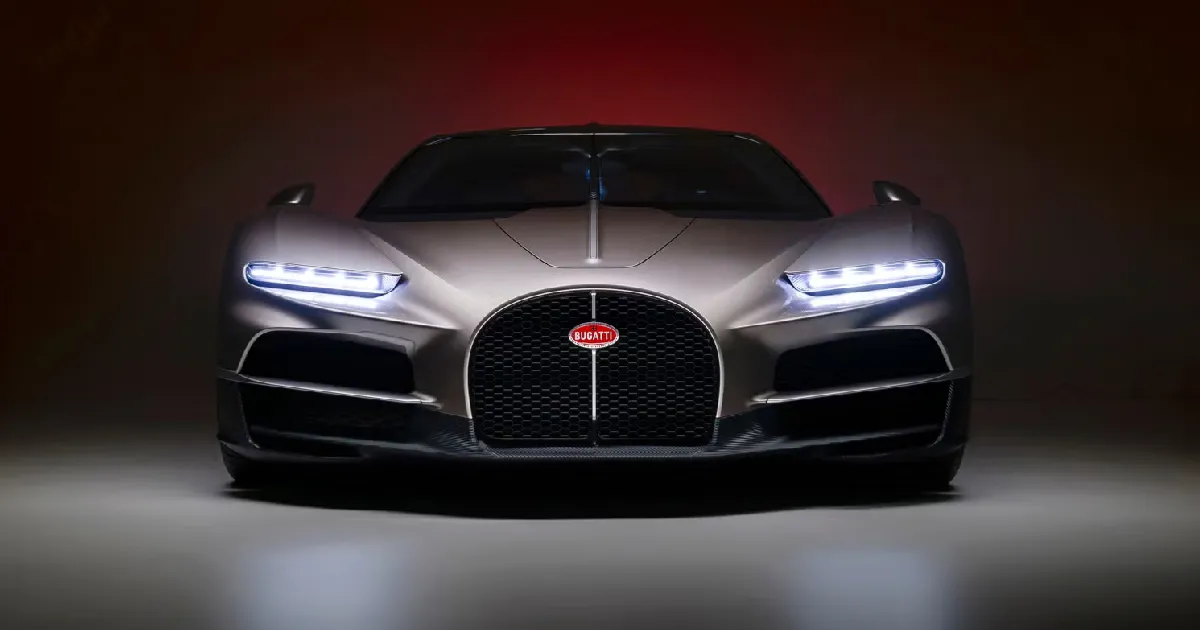
The future of Bugatti is speeding towards an electrified horizon, powered by groundbreaking technology. The upcoming models, including the highly anticipated Bugatti Tourbillon, will feature a game-changing Rimac-developed solid-state battery. This innovation is set to redefine electric hypercar performance.
Partnering with Rimac Technology, a leader in electric vehicle (EV) advancements, Bugatti is venturing into a new era where high-performance electric motors and solid-state batteries will take center stage. Let’s dive into the details of what we can expect from these future supercars.
Rimac-Developed Solid-State Batteries: A Leap Forward for Bugatti
Rimac Technology, under the leadership of Nurdin Pitarevic, is pioneering a new era in battery technology with their solid-state batteries. These batteries promise to offer significant improvements over current lithium-ion designs, making them a crucial component for Bugatti’s next-generation supercars. According to Pitarevic, Rimac’s solid-state batteries are designed to be up to 30% more energy-dense and around 66 pounds lighter than traditional batteries.
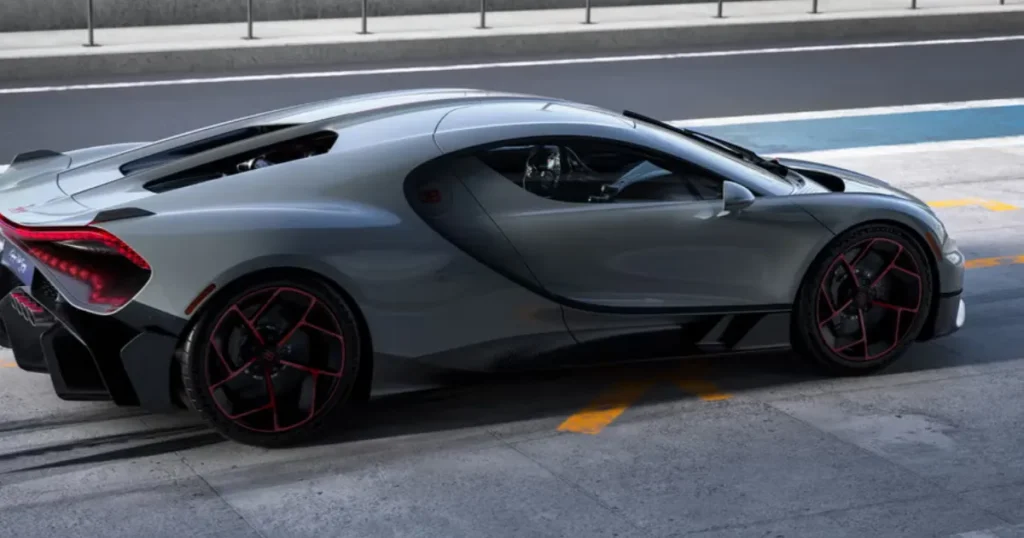
These improvements come from the use of advanced materials, including composite housings developed in partnership with Mitsubishi, ensuring a more compact and efficient design. Rimac’s efforts are aimed at providing high-capacity battery solutions that not only increase the range of the vehicle but also enable faster charging times.
The new solid-state battery will be a centerpiece in Bugatti’s 2030 lineup, marking a milestone in high-performance electric vehicles. This marks the beginning of a major shift for Bugatti, a brand synonymous with extreme power and luxury, into the world of high-efficiency electric motors and sustainable performance.
How Rimac’s E-Axles Are Changing the Game
In addition to the revolutionary solid-state batteries, Rimac is also making strides with next-generation e-axles that combine the electric drive motor, gearbox, and control electronics in a single, compact unit.
These e-axles can deliver between 200 to 470 horsepower and are engineered for different drivetrain layouts, including front-wheel, rear-wheel, and all-wheel drive configurations. This flexibility makes them compatible not only with pure electric vehicles but also with hybrid setups.
More Read

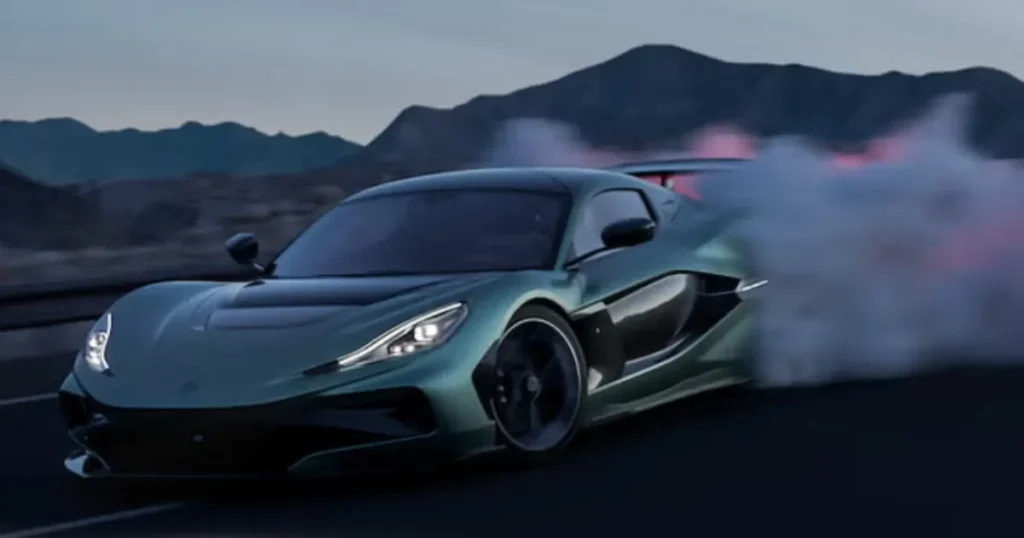
The e-axles’ compact design contributes to weight savings, with some units weighing as little as 106 pounds while offering impressive power outputs. Rimac has already secured partnerships with major automakers such as BMW and Porsche, signaling the potential of this technology to redefine electric powertrains in various vehicle segments.
These e-axles, integrated with Rimac’s solid-state batteries, will elevate Bugatti’s electrified models to new heights, enabling them to deliver incredible performance with lighter, more efficient powertrains.
The Road to 2030: What’s Next for Bugatti and Rimac?
Rimac’s collaboration with Bugatti is poised to set new standards in the hypercar world. The Bugatti Tourbillon, with its electrified V16 engine, will likely be the first model to feature these groundbreaking Rimac-developed solid-state batteries and e-axles.
By 2030, we can expect a more affordable supercar from Bugatti, leveraging Rimac’s advanced technology to push the boundaries of electric performance. The shift towards electric power and lightweight technology will give Bugatti a competitive edge in an increasingly electric automotive market.
The focus is not just on making these vehicles faster but also on delivering a sustainable high-performance experience. As Pitarevic explained, Rimac is also working on making their solid-state battery technology cost-effective by 2035, ensuring that this cutting-edge technology doesn’t remain exclusive to the ultra-wealthy but could potentially be licensed to other automakers in the future.
The Future of Electric Hypercars
The partnership between Bugatti and Rimac Technology is more than just a technological leap; it is a revolution in the world of electric hypercars. As Nurdin Pitarevic continues to lead Rimac’s efforts, the company is paving the way for the future of electric mobility in luxury supercars.
The combination of Rimac’s solid-state batteries and e-axles will likely define Bugatti’s 2030 models and beyond, offering a glimpse of what is possible when cutting-edge battery technology and electric drivetrains are combined to create the ultimate high-performance driving experience.
The ultimate question remains: How far can Rimac’s innovative technology go in making Bugatti’s electrified supercars the benchmark for performance and efficiency in the electric age? Only time will tell, but it’s clear that the future of electric supercars will be brighter than ever with Rimac Technology at the wheel.
By weaving Rimac-developed solid-state batteries and Nurdin Pitarevic’s vision into Bugatti’s future models, these innovations are poised to redefine what we know about electric supercar performance. As we approach 2030, Rimac’s battery tech will undoubtedly continue to push the limits of what’s possible in automotive engineering.