

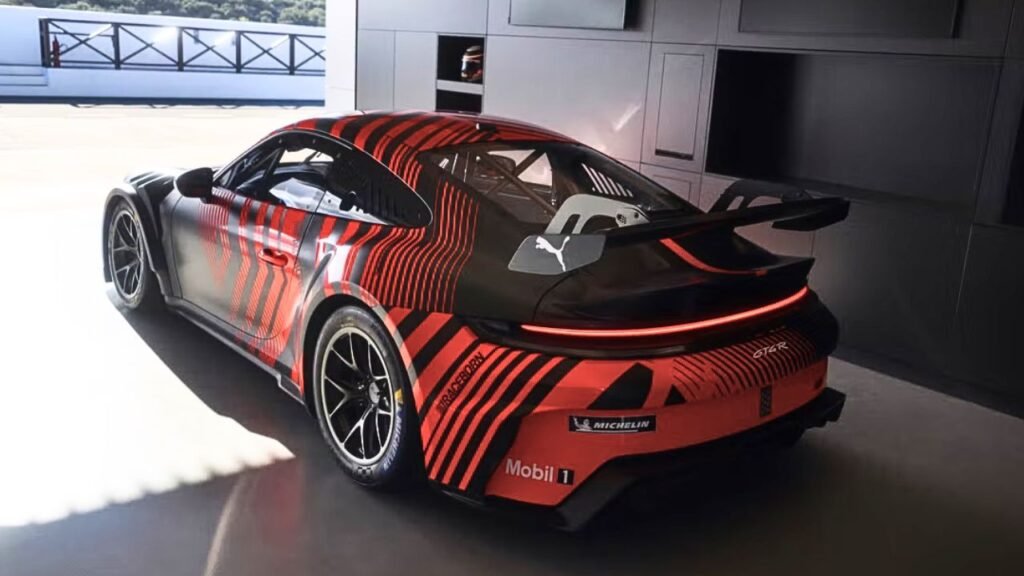
Porsche has unveiled the Porsche 911 GT4 R, a new customer race car that will replace the outgoing 718 Cayman GT4 RS Clubsport and begin competing in the 2027 motorsport season. The new model is the first GT4-spec Porsche racer built on the 911 platform, signaling a notable shift in the brand’s global GT4 strategy.
The Porsche 911 GT4 R is powered by a 4.0-liter naturally aspirated flat-six derived from the current 911 Cup race car, producing up to 520 PS (about 513 hp / 382 kW), with output subject to Balance of Performance regulations in competition. Porsche says the car is based on the technical foundation of the 992.2-generation 911 Cup, and it is homologated for GT4 competition including series such as SRO GT4 America and the IMSA Michelin Pilot Challenge.
In the United States, the new race car is expected to cost $375,500 including import and delivery, while Porsche lists the European price at €265,000 plus country-specific VAT. Its race debut is scheduled for the 2027 season.
Porsche moves GT4 racing from Cayman to 911
Since 2016, Porsche’s GT4 customer race cars have been built around the Cayman platform, making the arrival of the Porsche 911 GT4 R more than a routine model update. It is effectively a reset of Porsche’s GT4 identity.
That matters because the 911 carries far more motorsport equity than the Cayman ever could. From a pure brand perspective, this is an obvious move. But from a racing perspective, it is also a bold one. The Cayman’s mid-engine layout made it a natural fit for GT4 racing, while the 911’s rear-engine architecture brings a different character and a different engineering challenge. Porsche clearly believes the benefits now outweigh the compromises.
My view: this is a smart and slightly overdue decision. If Porsche wants its customer racing ladder to feel more unified, putting the 911 at the center of GT4 makes the entire portfolio easier to understand. It also gives private teams a car with stronger recognition, stronger resale appeal, and a much clearer visual link to Porsche’s broader competition program.
Built from the 911 Cup, adapted for GT4 rules
Porsche says the 911 GT4 R shares key structural elements with the current 911 Cup car, but it has been revised to fit GT4 regulations. That includes five-lug wheels instead of center-locks, narrower wheels, adjustable suspension hardware, and ballast provisions required for category balancing. [S10] [S4]
More Read

The car uses a six-speed sequential transmission and features motorsport-focused suspension with two-way adjustable dampers and three selectable spring-rate options, giving teams room to tailor the car to different circuits and drivers. Porsche has also fitted the GT4 R with lightweight body components and aerodynamic elements derived in part from the Cup program, including a manually adjustable rear wing.
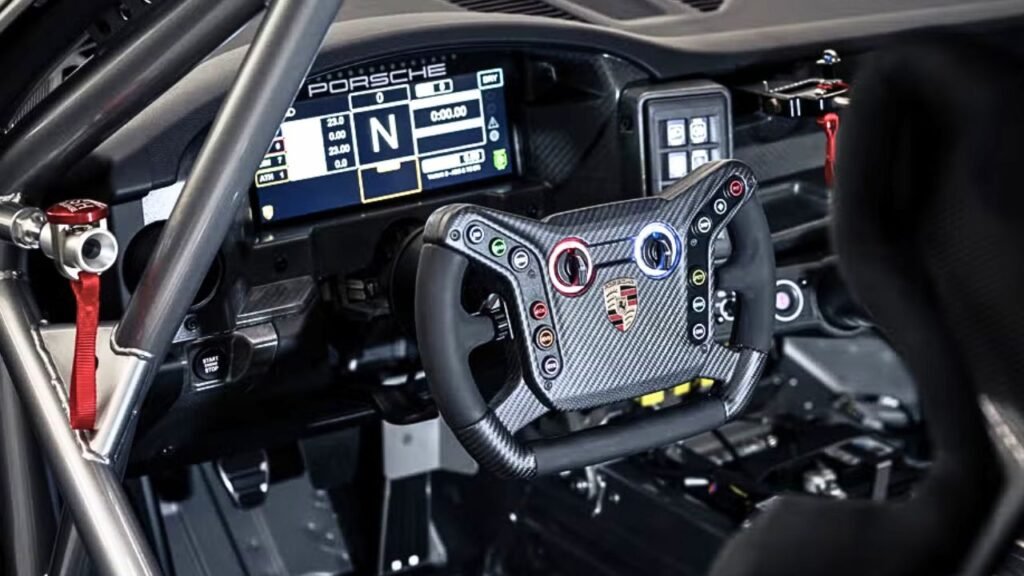
Inside, the cockpit includes a 10.3-inch display, an integrated data logger, and a GPS-based analysis system designed to give teams live performance information during race weekends. [S1]
That Cup-car connection is one of the most important details here. It suggests Porsche is not just introducing a new GT4 machine, but building a more tightly connected customer racing ecosystem. In practical terms, that should help with setup knowledge, parts support, and overall familiarity for teams already operating Porsche machinery.
Performance matters, but GT4 is never just about horsepower
On paper, the Porsche 911 GT4 R looks like a meaningful step forward over the old Cayman-based car. It brings more power, a more advanced base platform, and stronger ties to Porsche’s current race-car architecture.
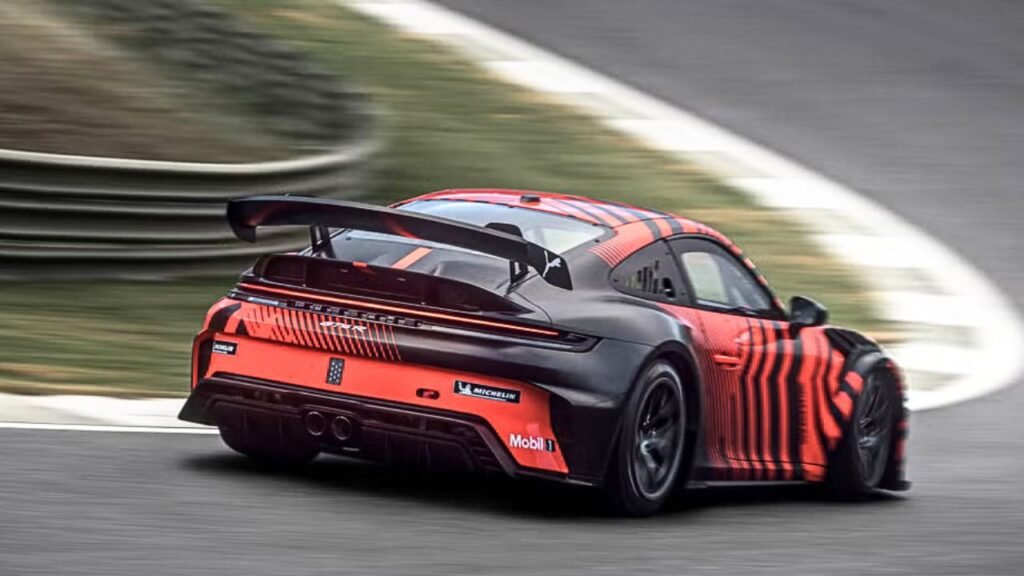
Still, GT4 racing is shaped heavily by Balance of Performance, which means the final pecking order will not be decided by headline output figures alone. A 520 PS engine sounds impressive, but what will matter more is how well the car manages tires, how usable it is for amateur and pro drivers, and how easy it is for teams to run over a season.