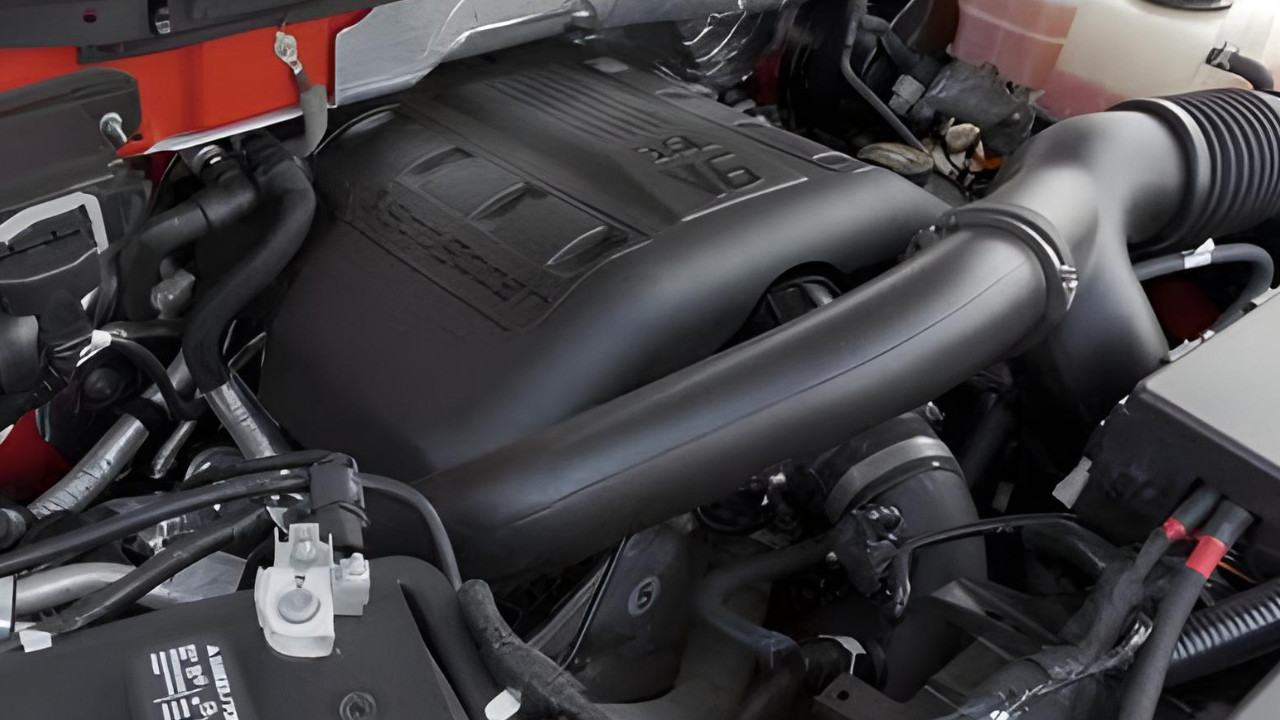


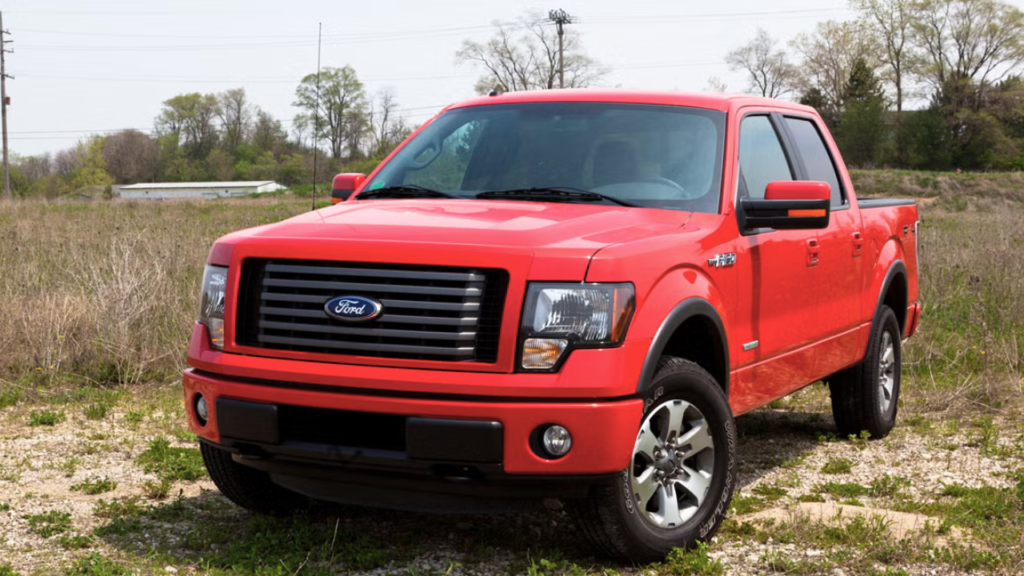
Let’s take a quick trip back to 2011. Ford did something that made truck purists completely lose their minds: they took America’s best-selling half-ton pickup, sidelined the legendary V8, and dropped a twin-turbocharged 3.5-liter V6 under the hood. They called it the EcoBoost. It promised the towing power of a V8 with the fuel economy of a V6.
And honestly? It delivered on the power. When you mashed the pedal, that truck moved.
But it didn’t take long for the honeymoon phase to wear off. Being a first-year production engine, the 3.5L had some teething issues. If you are currently in the market for a used truck, or you’re trying to diagnose an issue with the one sitting in your driveway right now, you’ve likely stumbled down the rabbit hole of 2011 F150 EcoBoost engine problems.
You’ve probably read the horror stories on forums. The sudden loss of power on the highway. The terrifying cold-start rattles.
But how much of that is internet hysteria, and how much is fact? I’ve spent years digging into automotive reliability, talking to mechanics, and listening to owners. Today, we’re going to separate fact from fiction. Let’s pop the hood and look at the real-world 2011 F150 EcoBoost engine problems, why they happen, and—most importantly—how to fix them.
The Hype vs. Reality: The First-Gen 3.5L EcoBoost
When Ford launched the 3.5L EcoBoost, it was a massive technological leap for a domestic truck. It used direct fuel injection and twin turbochargers to produce 365 horsepower and a massive 420 lb-ft of torque.
The reality, however, is that first-generation technology almost always comes with growing pains. Ford’s engineers were pushing the limits, and everyday drivers became the unofficial beta testers. While many of these engines easily sailed past 150,000 miles without skipping a beat, others spent an uncomfortable amount of time on a dealer lift.
More Read

Let’s break down the most notorious 2011 F150 EcoBoost engine problems so you know exactly what you’re dealing with.
The Most Common 2011 F150 EcoBoost Engine Problems
If you’re dealing with a misbehaving 2011 EcoBoost, chances are extremely high that your issue falls into one of these five categories.
1. The “Limp Mode” Intercooler Condensation Shudder
Imagine this: You’re driving down the highway on a rainy or humid day. You go to pass a slow-moving semi-truck, so you put your foot down. Instead of a surge of twin-turbo power, the truck violently shudders, the check engine light starts flashing, and the engine completely falls flat on its face.
Welcome to the most famous of all 2011 F150 EcoBoost engine problems.
Why it happens: The intercooler (or charge air cooler) on the 2011 models was almost too efficient. On humid days, as the turbochargers sucked in moist air, the intercooler would cool that air down below the dew point. Water condensation would literally pool up inside the bottom of the intercooler. When you hit the gas hard, the engine would suck a giant gulp of that pooled water directly into the combustion chambers, causing severe misfires.
The Fix: Ford issued a few Technical Service Bulletins (TSBs) for this. The official fix involved installing a deflector shield over the intercooler to make it slightly less efficient at cooling, preventing the condensation. Many owners, however, opt for a DIY fix: drilling a tiny 1/16-inch “weep hole” at the lowest point of the intercooler to let the water drain out naturally.
2. The Cold Start “Death Rattle” (Timing Chain Stretch)
You walk out to your truck on a cold morning, turn the key, and for three or four seconds, the engine sounds like someone threw a handful of gravel into a blender. It’s an awful, metallic grinding noise that goes away as soon as the oil pressure builds up.
Why it happens: This is arguably the most expensive of the common 2011 F150 EcoBoost engine problems. The 3.5L uses a very long timing chain. Over time, soot from the direct injection system and natural wear and tear can cause that chain to stretch. Furthermore, the cam phasers (which control the variable valve timing) can fail. When the chain stretches, the tensioners can’t keep it tight until oil pressure builds, causing that horrible rattle against the engine guides.
The Fix: This isn’t a quick driveway fix. You’re looking at a full timing job—replacing the chain, tensioners, guides, and usually the cam phasers. It’s a labor-intensive job that often costs north of $2,500 at a shop.
3. Premature Spark Plug and Ignition Coil Failure
If your truck feels like it has a slight miss at idle, or it stumbles when accelerating but hasn’t gone into full limp mode, you might just be looking at a spark issue.
Why it happens: Twin-turbo engines are incredibly hard on spark plugs. The forced induction creates immense cylinder pressures, which can easily “blow out” a weak spark. Ford originally recommended changing the spark plugs every 100,000 miles. Mechanics quickly realized that was a pipe dream.
The Fix: Ignore the manual. Change your spark plugs every 40,000 to 50,000 miles. Make sure you use high-quality Motorcraft or NGK iridium plugs, and ensure the gap is strictly set to .030 inches. It’s a cheap, easy maintenance item that solves a huge percentage of drivability issues.
4. Carbon Buildup on Intake Valves
Because the 3.5L EcoBoost uses direct injection, fuel is sprayed directly into the cylinder, bypassing the intake valves entirely.
Why it happens: In older port-injected engines, the gasoline would wash over the intake valves, acting as a solvent to keep them clean. Without that fuel wash, oil vapors from the PCV (Positive Crankcase Ventilation) system bake onto the hot intake valves, creating thick, hardened carbon deposits. Over time, this restricts airflow, suffocating the engine and causing rough idling and poor fuel economy.
The Fix: Preventative maintenance is key here. Installing a high-quality aftermarket oil catch can will trap those oil vapors before they ever reach the intake manifold. If the carbon is already there, you’ll need a mechanic to perform a physical intake valve cleaning (often called walnut blasting).
5. The Ticking Exhaust Manifold Leak
If you hear a rhythmic ticking sound coming from the wheel wells—especially when the engine is cold—that gradually fades as the truck warms up, you’re likely dealing with an exhaust leak.
Why it happens: The immense heat generated by the turbochargers puts a lot of thermal stress on the exhaust manifolds. Over time, the rear mounting studs on the manifolds are notorious for snapping off. Once a stud snaps, the manifold warps slightly, allowing exhaust gases to escape and creating that ticking noise.
The Fix: The manifolds need to be removed, the broken studs extracted (which can be a nightmare if they are flush with the cylinder head), and new, upgraded hardware installed. Many owners use this as an excuse to upgrade to aftermarket performance manifolds that are less prone to warping.
Real-World Owner Experiences: Is It All Doom and Gloom?
Reading a list of 2011 F150 EcoBoost engine problems can make it feel like these trucks are ticking time bombs. But that isn’t the whole story.
I recently spoke with a contractor who bought his 2011 Lariat brand new. He uses it to tow a 7,000-pound tool trailer through the Appalachian Mountains five days a week. His truck currently has 230,000 miles on the original engine and turbos.
His secret? He doesn’t treat the truck like a set-it-and-forget-it appliance. He changes his oil every 5,000 miles religiously using full synthetic. He swaps his spark plugs out every 40k miles. He listens to his engine.
For every forum post complaining about a blown engine, there are dozens of owners quietly putting thousands of trouble-free miles on their trucks. The difference almost always boils down to maintenance.
How to Avoid 2011 F150 EcoBoost Engine Problems Today
If you own one of these trucks, or you’re about to buy one, you can drastically reduce your chances of experiencing major 2011 F150 EcoBoost engine problems by following a strict preventative routine.
Here is your survival guide:
- Ditch the 10,000-Mile Oil Change: Turbochargers run insanely hot and require pristine oil to lubricate their bearings. Timing chains also hate dirty oil. Change your oil and filter every 5,000 miles with a high-quality full synthetic. No exceptions.
- Keep Your Plugs Fresh: Do not wait for a misfire. Swap your spark plugs and check your coil pack boots every 40,000 to 50,000 miles.
- Install an Oil Catch Can: A good dual-valve catch can will keep oil blow-by out of your intercooler and off your intake valves. It’s the best $150 you can spend on this engine.
- Let It Warm Up and Cool Down: Give the engine 30 seconds to circulate oil before driving away in the morning. More importantly, after a long highway run or a heavy tow, let the truck idle for a minute or two before shutting it off. This allows the oil to cool the turbo bearings, preventing “coking” (baked-on oil).
Pros and Cons of Buying a 2011 F-150 EcoBoost Now
So, is a 2011 model worth your hard-earned cash today? Let’s weigh it out.
The Pros:
- Incredible Depreciation Value: Because of the scary forum stories, you can often pick up a 2011 EcoBoost much cheaper than a comparable 5.0L V8 model.
- Massive Towing Power: The low-end torque of the twin-turbo setup makes towing heavy loads practically effortless.
- Huge Aftermarket Support: Because these trucks have been around for over a decade, there is an aftermarket fix, tune, or upgrade for literally everything.
The Cons:
- Maintenance Heavy: This is not a forgiving engine. If the previous owner neglected it, you will foot the bill.
- High Repair Costs: When things do break (like turbos or timing chains), the repair bills are significantly higher than a naturally aspirated V8.
- First-Year Quirks: You are dealing with the absolute first iteration of this technology. Ford ironed out many of these bugs in the 2013 and 2014 models.
Conclusion: Should You Buy One?
The first-generation 3.5L V6 was a massive leap forward for the truck industry. Yes, the list of 2011 F150 EcoBoost engine problems is well-documented, and the repairs can be wallet-draining if you let them sneak up on you.
But if you approach this truck with open eyes, it can still be an absolute workhorse. If you’re shopping for a used one, demand to see service records. A truck with 120,000 miles and a stack of oil change receipts is a much safer bet than a truck with 80,000 miles and a mystery past. Pay an independent mechanic to do a pre-purchase inspection, listen closely for that cold-start rattle, and check the gap on the spark plugs.
If you treat a 2011 EcoBoost like a high-performance machine rather than a disposable farm truck, it will reward you with the towing power and daily drivability that made it famous in the first place.
Have you experienced any of these issues with your EcoBoost, or are you looking to buy your first twin-turbo F-150? Drop a comment below and let me know what you’re dealing with—I’d love to help you get your truck running perfectly!